
Digital Marketing and Communication: How to Reach the Right People
Digital marketing and communication are closely connected. Marketing helps an organisation attract and retain customers; communication is how it shares ideas, information and value with the people it wants to reach. When the two work together, messages become more consistent, relevant and effective across every online channel.
From a search result or social media post to an email or website, each interaction shapes how people understand a brand. A clear strategy helps ensure those interactions support the same goals and create a coherent experience.
What is digital marketing?
Digital marketing is the promotion of products, services or ideas through online channels. These may include search engines, websites, social media, email, digital advertising and online video. Organisations use these channels to build awareness, generate enquiries, make sales and encourage repeat business.
Digital marketing is not simply about being present on every platform. It is about choosing the channels that suit your audience and using them with purpose. A local business might focus on search and online reviews, while a business-to-business company may prioritise useful articles, email and professional networks.
Why communication matters
People encounter many competing messages online. Clear communication gives them a reason to pay attention, understand an offer and decide what to do next. It also helps build trust: audiences are more likely to engage with organisations that are useful, consistent and honest.
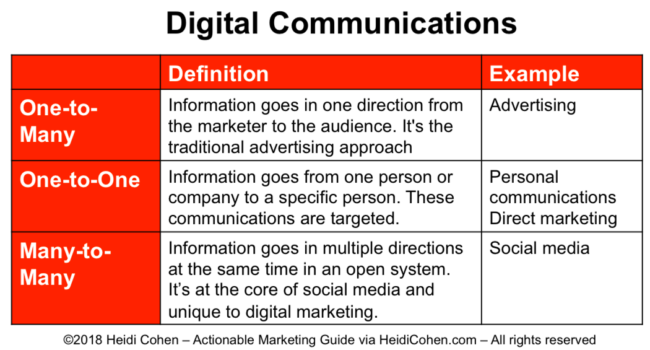
Good digital communication is a two-way process. It involves listening as well as publishing. Comments, customer enquiries, reviews and website behaviour can all reveal what people need and where a business could improve its message or service.
Build a joined-up strategy
A practical digital marketing and communication strategy starts with a few simple questions:
- Who are you trying to reach? Consider your audience’s needs, interests, location and familiarity with your product or service.
- What do you want to achieve? Set a clear objective, such as increasing relevant website visits, generating enquiries or improving customer retention.
- What should people understand or do? Define the key message and the next step you want your audience to take.
- Where will you reach them? Choose channels based on audience habits and your capacity to manage them well.
- How will you measure progress? Decide which meaningful indicators will show whether the activity is working.
These answers help bring marketing activity together. For example, a helpful article might attract visitors through search, a social post could introduce the article to a new audience, and an email might share it with existing customers. Each channel has a different role, but the message remains consistent.
Choose channels with purpose
Search engine optimisation (SEO) helps people find useful pages through unpaid search results. Strong SEO depends on understanding what people are looking for and creating clear, relevant content that answers their questions.
Paid digital advertising can put a message in front of a chosen audience more quickly. Search adverts, social media campaigns and display advertising can all be useful, provided they are carefully targeted, clearly labelled and measured against an appropriate objective.
Social media offers opportunities to share content, take part in conversations and respond to customers. Rather than trying to use every platform, focus on the ones where your audience is active and where you can contribute consistently.
Email marketing allows organisations to communicate directly with people who have chosen to hear from them. Relevant, well-timed emails can support sales and customer relationships. Respect consent, provide a straightforward way to unsubscribe and avoid sending messages simply for the sake of it.
Websites and landing pages are often where interest turns into action. Make them easy to navigate, mobile-friendly and accessible. Explain what you offer, who it is for and what visitors can do next.
Make every message clear and consistent
Consistency does not mean repeating exactly the same words everywhere. It means keeping the essential message, tone and visual identity aligned while adapting the format to suit each channel. A short social post, a detailed guide and a customer email can all express the same values in different ways.
Use straightforward language, explain unfamiliar terms and make calls to action specific. “Find out more” may be suitable in some situations; “Book a consultation” or “Compare our plans” tells people more clearly what will happen next. Content should also be accurate and honest. Avoid exaggerated claims that could undermine trust.
Measure what matters
Digital channels provide a wealth of data, but a large number of clicks or impressions does not automatically mean a campaign has succeeded. Choose measures that connect to your objectives. These might include qualified enquiries, completed purchases, repeat visits, email sign-ups or customer feedback.
Review results regularly and use them to improve. If a page attracts visitors but few take the next step, the page may need clearer information or a more useful call to action. If a campaign reaches the wrong audience, its targeting or message may need to change. Testing small improvements can help reveal what works without relying on guesswork.
Communicate responsibly
Effective digital communication respects the people receiving it. Protect personal information, follow applicable privacy and advertising rules, and be transparent about paid partnerships or sponsored content. Make content accessible by using readable text, descriptive links, captions for video and alternative text for meaningful images.
It is also important to prepare for conversations that do not go to plan. Respond to complaints calmly, acknowledge genuine concerns and explain what action will be taken. A thoughtful response can demonstrate accountability and help rebuild confidence.
Bringing it all together
Digital marketing creates opportunities to reach people; communication gives those interactions clarity and meaning. The strongest approach combines a clear understanding of the audience, useful content, carefully chosen channels and a willingness to listen and learn.
Start with a focused objective, communicate it consistently and measure the results that matter. Over time, this thoughtful approach can help an organisation earn attention, build trust and develop stronger relationships with its audience.
Exploring Digital Marketing and Communication: Key Questions and Insights
- Is digital marketing part of marketing communication?
- What is an example of digital marketing communication?
- What is digital marketing and communication?
- What is digital marketing communication?
- Is digital marketing a good career?
- Why is communication important in digital marketing?
- What is the 3 major part of digital marketing?
- What are digital marketing communications tools?
Is digital marketing part of marketing communication?
Yes, digital marketing is part of marketing communication. It uses online channels such as websites, search engines, social media, email and digital advertising to share a brand’s messages, promote its products or services, and engage with its audience. It is one part of the wider marketing communication mix, which can also include traditional channels such as print, radio and public relations.
What is an example of digital marketing communication?
An example of digital marketing communication is a personalised email campaign promoting a new product. A business might send subscribers a clear message explaining the product’s benefits, include a link to learn more or make a purchase, and use a suitable image to support the text. By tailoring the message to the audience and tracking measures such as clicks and sales, the business can assess how effectively it communicates and refine future campaigns.
What is digital marketing and communication?
Digital marketing and communication is the use of online channels—such as websites, search engines, social media, email and digital advertising—to promote a business, product or service and communicate with an audience. It combines targeted marketing with clear, useful messaging to build awareness, attract customers and encourage ongoing relationships.
What is digital marketing communication?
Digital marketing communication is the way a business shares information and engages with its audience through online channels, such as websites, search engines, social media, email and digital advertising. It combines clear, consistent messaging with the right channels to build awareness, explain products or services, encourage action and develop lasting customer relationships. Effective digital communication is also a two-way process: businesses listen and respond to feedback, questions and customer needs.
Is digital marketing a good career?
Yes, digital marketing can be a rewarding career for people who enjoy communication, creativity and using data to solve problems. The field includes a range of roles, from SEO and social media to content, email and paid advertising, so there are opportunities to specialise or develop broad skills. As businesses increasingly rely on digital channels, demand for knowledgeable marketers remains strong. Career prospects can vary by experience, location and specialism, and the industry changes quickly, so curiosity and a commitment to continual learning are valuable.
Why is communication important in digital marketing?
Communication is important in digital marketing because it helps a business share clear, relevant messages with the right audience and build trust over time. It allows potential customers to understand what a business offers, how it can meet their needs and what steps to take next. By listening and responding to feedback across channels such as social media, email and websites, businesses can strengthen relationships, improve the customer experience and make their marketing more effective.
What is the 3 major part of digital marketing?
There is no single agreed list, but digital marketing is often organised into three major areas: owned, earned and paid media. Owned media includes channels a business controls, such as its website, blog and email newsletter; earned media is exposure gained through recommendations, reviews and media coverage; and paid media includes advertising, such as sponsored search results and social media ads. Using all three together can help a business reach audiences, build trust and encourage action.
What are digital marketing communications tools?
Digital marketing communications tools are the online platforms and technologies businesses use to share messages, engage with audiences and promote products or services. They include email marketing software, social media platforms, websites and content management systems, search engine optimisation tools, online advertising platforms, customer relationship management systems and analytics tools. Used together, they help businesses reach the right people, deliver consistent messages, manage customer interactions and measure how well their communication is working.