
Healthcare Digital Marketing: Building Trust in a Connected World
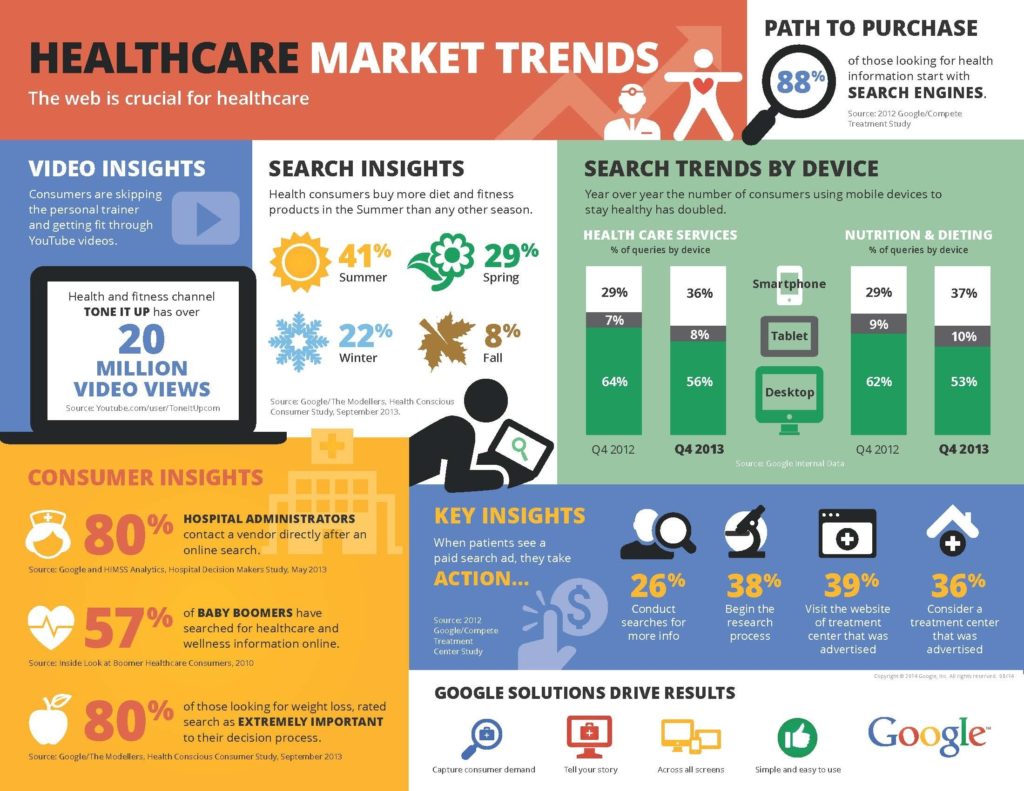
Patients increasingly use the internet to find health information, compare services and decide where to seek care. For healthcare organisations, digital marketing can make reliable information easier to find and help people understand the services available to them. But healthcare is not like other sectors: communications must be accurate, responsible and respectful of people’s privacy.
A successful healthcare digital marketing strategy brings together useful content, accessible websites, search visibility and clear measurement—all grounded in patient trust.
What is healthcare digital marketing?
Healthcare digital marketing is the use of online channels to communicate with patients, carers, professionals and communities. It can include search engine optimisation (SEO), paid search, social media, email, online booking tools and educational content.
The aim is not simply to attract more visitors. It is to help people find clear, relevant information and take an appropriate next step, whether that means booking an appointment, contacting a service or learning how to access support.
Start with patient needs
Effective marketing begins with understanding the questions people are asking. These may include practical concerns—such as opening hours, costs, referral requirements or appointment availability—as well as questions about symptoms, treatment options and what to expect during care.
Research search queries, speak with frontline staff and review common enquiries to identify information gaps. Organise website content around the needs of different audiences, using plain English and avoiding unnecessary medical jargon. Where specialist terms are needed, explain them clearly.
Make your website useful and accessible
A healthcare website should make essential information easy to find on a mobile phone as well as a computer. Clear navigation, readable text, fast-loading pages and straightforward appointment or contact options all contribute to a better experience.
Accessibility should be considered from the outset. Use descriptive headings, meaningful link text, captions for video and sufficient colour contrast. Forms should be simple to complete, with clear instructions and helpful error messages. These improvements can make digital services easier to use for a wide range of people.
Keep practical details up to date, including contact information, service availability, fees where relevant and instructions for accessing care. Out-of-date information can create frustration and undermine confidence.
Use SEO to help people find reliable information
Search engine optimisation helps relevant pages appear when people look for services or health information. Start by creating useful pages for the treatments, conditions and services your organisation provides. Use clear page titles and headings, and describe your services in the language patients are likely to use.
Healthcare content needs particular care because it can influence decisions about wellbeing and treatment. Information should be accurate, current and appropriately reviewed. Make it clear who produced or reviewed the content, when it was last updated and where readers can find further support. Avoid presenting general information as a diagnosis or a substitute for professional advice.
Local search visibility can also matter for clinics and other place-based services. Keep business and service details consistent across relevant directories, and make it easy for people to find your location, opening times and accessibility information.
Approach paid advertising responsibly
Paid search and social advertising can help organisations reach people looking for particular services. Campaigns should use accurate wording, direct users to relevant landing pages and set realistic expectations. Avoid claims that imply guaranteed outcomes or suggest that a service is suitable for everyone.
Healthcare advertising in the UK may be subject to rules and guidance from bodies including the Advertising Standards Authority (ASA) and, depending on the service or product, regulators such as the Medicines and Healthcare products Regulatory Agency (MHRA). Requirements vary by activity, so organisations should check the rules that apply before publishing campaigns. Claims about medicines, treatments and clinical outcomes require especially careful review.
Build trust through content and social media
Helpful content can explain how a service works, answer common questions and point people towards appropriate support. Formats might include articles, short videos, patient information pages and frequently asked questions. Content should be reviewed by people with suitable expertise and updated when guidance or services change.
Social media can help organisations share updates and engage with communities, but it is not a suitable place to discuss someone’s private health information. Establish clear moderation and response procedures. If a person raises a clinical concern publicly, respond sensitively and direct them to a secure, appropriate channel rather than asking for personal details in comments or messages.
Protect privacy and handle data carefully
Healthcare organisations must take particular care with personal and health information. Collect only the information needed for a clearly explained purpose, protect it appropriately and make sure people understand how it will be used. Marketing activity involving personal data should be assessed against applicable UK data protection and electronic marketing requirements, including the UK GDPR and the Privacy and Electronic Communications Regulations (PECR).
Be cautious with tracking technologies, advertising pixels, audience lists and health-related targeting. Check the relevant legal and regulatory requirements, provide appropriate information to users and obtain consent where required. A privacy notice should be easy to find and written in language people can understand.
Measure what matters
Useful measures depend on the organisation’s goals. These might include appointment enquiries, completed bookings, calls, downloads of patient information or visits to key service pages. Website traffic alone does not show whether people found what they needed.
Use analytics responsibly and interpret results in context. A rise in enquiries is not automatically a sign of better care or better access; consider service capacity, patient experience and the quality of the information provided. Regularly review feedback and use it to improve both content and the user journey.
A long-term commitment to trust
Healthcare digital marketing works best when it is treated as an ongoing service, not a one-off campaign. Keep information current, listen to patient feedback and make improvements based on evidence. Above all, ensure every message is clear, inclusive and responsible.
By putting people’s needs and privacy first, healthcare organisations can use digital channels to make trustworthy information easier to access—and help patients take informed next steps.
Exploring Healthcare Digital Marketing: Key Questions and Strategies
- How do you implement the 4 P’s of marketing in healthcare?
- Why is digital marketing important in healthcare?
- What are some marketing strategies for healthcare?
- What is the role of digital marketing in the healthcare industry?
- Why is digital marketing important in hospitals?
- What are marketing strategies for healthcare?
- What digital media is used in healthcare?
- What are the top 7 types of digital marketing?
- What are the top 5 digital marketing companies?
- What is the impact that health care marketing and digital campaigns are having on our everyday lives?
- What are the 5 Ps of healthcare marketing?
How do you implement the 4 P’s of marketing in healthcare?
The 4 Ps—Product, Price, Place and Promotion—can be applied to healthcare by shaping services around patients’ needs (Product), communicating fees and payment options clearly (Price), making care accessible through convenient locations and digital services (Place), and promoting services with accurate, ethical and easy-to-understand information (Promotion). In practice, this means understanding what patients need, explaining what a service offers and who it is suitable for, reducing barriers to access where possible, and using channels such as search, websites and social media responsibly. Any marketing should protect patient privacy, avoid misleading claims and comply with relevant UK regulations and professional guidance.
Why is digital marketing important in healthcare?
Digital marketing is important in healthcare because it helps patients find trustworthy information, understand the services available and take practical next steps, such as booking an appointment or contacting a provider. A clear, accessible online presence can also help healthcare organisations reach local communities, share timely updates and respond to common questions. When communications are accurate, respectful and mindful of privacy, digital marketing can improve access to information and build trust between providers and the people they serve.
What are some marketing strategies for healthcare?
Healthcare marketing strategies should focus on making trustworthy information easy to find and access. Useful approaches include creating clear, medically reviewed website content; improving local SEO so patients can find nearby services; using paid search responsibly to promote relevant care; sharing educational updates on social media; and sending email communications only where appropriate consent has been given. A mobile-friendly, accessible website with simple booking and contact options can also improve the patient journey. Across every channel, protect personal information, follow relevant advertising and data-protection rules, and measure meaningful outcomes such as enquiries or completed bookings—not just clicks.
What is the role of digital marketing in the healthcare industry?
Digital marketing helps healthcare organisations make reliable information and services easier to find online. Through channels such as websites, search engines, social media and email, providers can explain treatments, share health education, promote services and help patients understand how to access care. When handled responsibly, it can improve communication and the patient experience, while clear, accurate content and careful use of personal data help maintain trust.
Why is digital marketing important in hospitals?
Digital marketing is important in hospitals because it helps patients and carers find clear, reliable information about services, facilities, appointments and access to care. A well-designed website, useful search content and timely digital updates can make it easier for people to choose the right service and understand what to expect. Digital channels also help hospitals communicate with their communities and share important health information. All activity should be accurate, accessible and respectful of patient privacy.
What are marketing strategies for healthcare?
Healthcare marketing strategies should help people find trustworthy information and access appropriate services. Effective approaches include creating clear, clinically reviewed website content; improving local SEO so patients can find nearby services; using paid search responsibly; sharing useful updates through social media and email; and making online booking and contact options straightforward. Track meaningful outcomes, such as relevant enquiries and completed bookings, and regularly review patient feedback. Throughout, protect personal information, follow applicable UK advertising and data protection rules, and avoid misleading claims or promises of treatment outcomes.
What digital media is used in healthcare?
Healthcare organisations use a range of digital media to share information and connect with patients, including websites, search engines, social media, email newsletters, online advertising, mobile apps and patient portals. They may also use video, podcasts and webinars to explain services or provide health education. The most suitable channels depend on the audience and purpose, and all communications should be accurate, accessible and respectful of people’s privacy.
What are the top 7 types of digital marketing?
The seven most common types of digital marketing used in healthcare are search engine optimisation (SEO), which helps people find services and reliable information through search engines; content marketing, such as articles and patient guides; social media marketing, for sharing updates and engaging with communities; email marketing, for sending relevant news and reminders with appropriate consent; pay-per-click (PPC) advertising, which can promote services in search results; website and conversion optimisation, which makes it easier to find information or book an appointment; and online reputation management, which involves monitoring reviews and responding appropriately. Each should be accurate, accessible and respectful of patient privacy.
What are the top 5 digital marketing companies?
There is no universally agreed top five, as the right healthcare digital marketing company depends on your location, budget and goals. Agencies often considered in this space include Healthcare Success, Cardinal Digital Marketing, Intrepy Healthcare Marketing, Practis and WebFX. Treat these as examples rather than a definitive ranking, and compare their healthcare experience, relevant case studies, approach to patient privacy and data protection, and understanding of advertising rules in your market. Ask for a clear proposal and success measures before choosing a partner.
What is the impact that health care marketing and digital campaigns are having on our everyday lives?
Healthcare marketing and digital campaigns shape everyday life by influencing how people find, understand and access health information and services. Search results, social media posts, online adverts and email updates can raise awareness of prevention, encourage people to seek support and make it easier to compare local services or book appointments. They can also help organisations share timely guidance with specific communities. However, campaigns may spread misleading claims or use sensitive data in ways people do not expect, so accuracy, privacy and transparency are essential. The most beneficial campaigns provide clear, evidence-based information and help people make informed choices without replacing advice from a qualified health professional.
What are the 5 Ps of healthcare marketing?
The 5 Ps of healthcare marketing are Product, Price, Place, Promotion and People. Product refers to the care or service offered; Price covers costs, funding and perceived value; Place is where and how patients access care, including online; Promotion is how services and reliable information are communicated; and People includes patients, clinicians and support staff who shape the experience. Together, these elements help healthcare organisations plan services and communications around patient needs, while ensuring information is clear, responsible and trustworthy.