
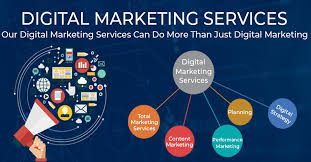
Marketing Agency Services: What Businesses Need to Know
Growing a business takes more than a great product or service. Customers need to find you, understand what makes you different and feel confident choosing you. Marketing agency services can help businesses reach the right people, build a stronger brand and turn marketing activity into measurable results.
Agencies vary in size, specialism and approach. Some provide support across the entire marketing mix, while others focus on areas such as digital advertising, public relations or content. Understanding the services available makes it easier to decide what your business needs.
What does a marketing agency do?
A marketing agency works with businesses to plan and deliver activities that attract, engage and retain customers. Depending on the brief, this may include researching an audience, developing a marketing strategy, creating campaign materials, managing advertising or measuring performance.
Some agencies act as an extension of an in-house team, providing specialist skills or extra capacity. Others take responsibility for a larger part of a business’s marketing programme. The right arrangement depends on your goals, resources and budget.
Common marketing agency services
Marketing strategy and planning
Strategy gives marketing a clear direction. An agency may assess your market, competitors, customers and existing activity before recommending priorities, channels and ways to measure progress. A good plan connects marketing activity to business objectives rather than treating each campaign as a separate task.
Branding and creative services
Branding helps a business communicate who it is and why customers should care. Services can include brand positioning, messaging, visual identity and creative development. Agencies may also produce campaign concepts and assets, such as graphics, photography, video and advertising copy.
Content marketing
Content marketing uses useful, relevant material to attract and inform an audience. This can include articles, guides, case studies, newsletters, videos and social media content. An agency may help plan topics, create content and distribute it through the channels your customers use.
Search engine optimisation
Search engine optimisation (SEO) aims to improve a website’s visibility in unpaid search results. Work can include technical reviews, keyword research, on-page improvements, content recommendations and link-building activity. SEO is a long-term discipline, so progress is usually assessed over time rather than by expecting immediate results.
Paid advertising
Paid media can help businesses reach potential customers through search engines, social platforms, websites and other channels. Agencies may plan campaigns, write adverts, manage budgets and test different audiences or messages. Clear objectives and regular optimisation help make advertising spend more accountable.
Social media marketing
Social media services can cover channel planning, content creation, publishing, community management and paid social campaigns. The most effective approach depends on where your audience spends time and what you want them to do—not simply on being present on every platform.
Email marketing and customer retention
Email can support customer relationships throughout the buying journey, from welcome messages to product updates and repeat-purchase campaigns. An agency may help with planning, copywriting, design, audience segmentation and performance analysis, while ensuring that activity follows relevant data protection and marketing rules.
Public relations
Public relations (PR) helps shape how a business is understood by customers, journalists and other stakeholders. Services may include media relations, press materials, thought leadership, reputation support and communications planning. PR can build awareness and credibility, although media coverage cannot always be guaranteed.
Website design and development
A website is often central to a company’s marketing. Agencies may help with user research, design, development, accessibility, content structure and conversion improvements. A strong website should be easy to use, work well on mobile devices and make the next step clear to visitors.
Analytics and reporting
Measurement helps businesses understand what is working and where to improve. Agencies can set up tracking, define useful performance indicators and report on results. Good reporting should explain what the figures mean and what action is recommended, rather than simply presenting a collection of charts.
How to choose the right agency
Start by identifying the challenge you want to solve. You may need a complete marketing plan, support with a particular channel or specialist expertise that is not available in-house. A clear brief will help you compare agencies on relevant experience and approach.
- Check relevant experience: Look for evidence of work that relates to your goals, audience or sector.
- Ask how success is measured: Agree on meaningful objectives and reporting before work begins.
- Understand who will do the work: Ask about the team, points of contact and any work handled by external suppliers.
- Discuss communication: Establish how often you will meet, receive updates and review campaign progress.
- Clarify costs and scope: Make sure you understand what is included, what may cost extra and how the agreement can be changed or ended.
- Look for a good working relationship: The agency should listen, ask thoughtful questions and be open about risks as well as opportunities.
Making the partnership work
A successful agency relationship is a two-way partnership. Businesses should share accurate information, provide timely feedback and make sure the agency understands their products, customers and commercial priorities. In return, an agency should communicate clearly, explain its recommendations and be transparent about performance.
It is also important to set realistic expectations. Some activities, such as paid campaigns, can produce results quickly, while others, including SEO and brand-building, generally take longer. Agreeing on short-term indicators as well as longer-term outcomes can help everyone assess progress fairly.
Finding the right support for your business
Marketing agency services can provide strategy, creative expertise and practical support across a wide range of channels. The best choice is not necessarily the agency offering the most services; it is the one whose skills, working style and recommendations fit your business needs.
With clear goals, agreed measures and open communication, an agency can help turn marketing from a collection of disconnected activities into a focused programme that supports sustainable growth.
9 Advantages of Partnering with a Marketing Agency for Business Success
- Access to specialist expertise
- Saves time for your team
- Provides fresh perspectives
- Supports consistent branding
- Helps reach target audiences
- Offers scalable support
- Improves campaign measurement
- Keeps pace with marketing trends
- Can support business growth
Challenges of Engaging Marketing Agency Services for Small Businesses
- Can be costly for small businesses.
- Results may take time to appear.
- Less direct control over campaigns.
- Agency expertise and quality can vary.
Access to specialist expertise
One of the key benefits of marketing agency services is access to specialist expertise. Agencies bring together professionals with skills in areas such as SEO, paid advertising, content, social media and analytics—expertise that can be difficult or costly to build in-house. This gives businesses access to up-to-date knowledge and a broader range of perspectives, helping them choose suitable strategies, avoid common pitfalls and make better-informed marketing decisions.
Saves time for your team
Saves time for your team
Working with a marketing agency can free your team from the day-to-day demands of planning, creating and managing campaigns. With specialists handling tasks such as content production, social media, advertising and performance reporting, your staff can focus on serving customers and running the business. This can be especially valuable when your team is small or lacks the time and expertise to manage every marketing activity in-house.
Provides fresh perspectives
One of the key advantages of marketing agency services is the fresh perspective they bring. Because an agency works with a range of businesses and audiences, its team can spot opportunities, challenge familiar assumptions and suggest ideas that may be overlooked internally. This outside viewpoint can help your business see its brand and marketing through customers’ eyes, uncover new ways to stand out and make more informed decisions.
Supports consistent branding
Marketing agency services can help businesses maintain a consistent brand across every customer touchpoint. By aligning visual identity, tone of voice and key messages across websites, social media, advertising and other materials, an agency makes it easier for customers to recognise and understand the brand. This consistency can build trust, strengthen brand recall and create a more professional impression.
Helps reach target audiences
Marketing agency services can help businesses reach the people most likely to be interested in their products or services. By researching customer needs, behaviours and preferred channels, an agency can shape campaigns for specific audiences rather than relying on a broad, one-size-fits-all approach. This helps businesses put their message in front of the right people, in the right places, and make better use of their marketing budget.
Offers scalable support
Marketing agency services offer scalable support that can grow or adapt as your business needs change. You can bring in extra expertise for a product launch, seasonal campaign or period of rapid growth, then adjust the level of support when priorities shift. This flexibility helps you access the skills and resources you need without having to build a larger in-house team for every new challenge.
Improves campaign measurement
Marketing agencies can improve campaign measurement by setting clear objectives, choosing relevant performance indicators and using analytics tools to track results across channels. Regular reporting helps businesses see which activities are reaching the right audience, generating leads or contributing to sales, while highlighting where budgets and messaging could be adjusted. This makes it easier to base decisions on evidence and refine campaigns over time.
Keeps pace with marketing trends
Marketing agencies help businesses keep pace with changing trends, platforms and customer expectations. Their teams regularly monitor new tools, industry developments and shifts in audience behaviour, then use those insights to refine campaigns and identify fresh opportunities. This can help your business stay relevant and responsive without requiring your in-house team to track every change themselves.
Can support business growth
Marketing agency services can support business growth by helping a business reach new audiences, attract potential customers and strengthen relationships with existing ones. With a clear strategy and the right mix of marketing channels, an agency can help build awareness, generate leads and identify opportunities to improve results. This gives businesses access to specialist expertise and practical support as their needs evolve.
Can be costly for small businesses.
One potential drawback of marketing agency services is the cost, which can be difficult for small businesses to manage. Agency fees, advertising budgets and additional production expenses may add up quickly, particularly when results take time to appear. Before committing, businesses should clarify what is included, compare providers and choose services that fit their budget and priorities.
Results may take time to appear.
One drawback of marketing agency services is that results may take time to appear. Strategies such as SEO, content marketing and brand-building often need consistent effort before they increase visibility, attract customers or generate sales. Even paid campaigns require time to test and refine audiences, messages and channels. Businesses should therefore set realistic expectations, agree on suitable measures of progress and allow enough time for activity to deliver meaningful results.
Less direct control over campaigns.
One potential drawback of using marketing agency services is having less direct control over campaigns. Although your business can set objectives and approve key decisions, the agency may handle day-to-day choices about creative work, targeting, budgets and timing. This can sometimes make it harder to respond immediately or ensure every detail reflects your preferences. Clear communication, regular reviews and agreed approval processes can help maintain oversight while allowing the agency to manage its work effectively.
Agency expertise and quality can vary.
The expertise and quality of marketing agencies can vary considerably. Some bring proven experience and specialist knowledge, while others may lack the skills or resources your business needs. Before committing, review relevant case studies, ask who will handle your account and agree clear expectations for communication, deliverables and results.