
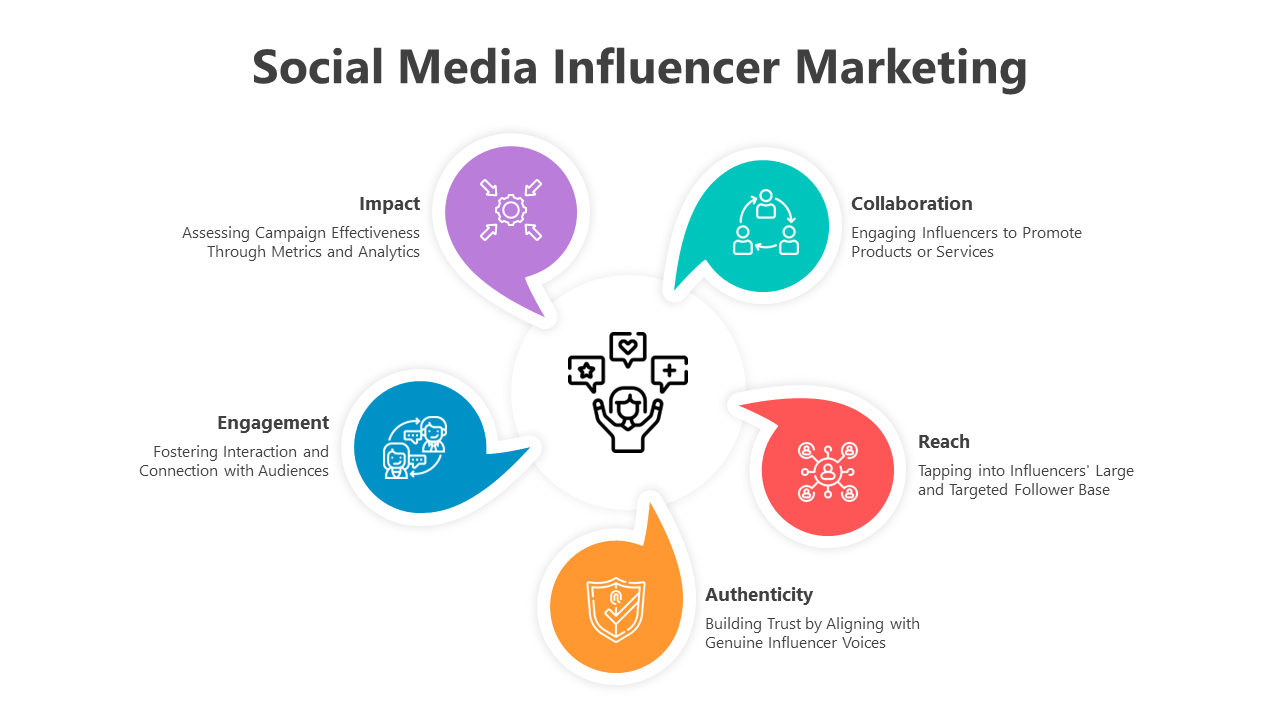
Digital Influencer Marketing: Building Trust in a Crowded Online World
From product reviews and tutorials to behind-the-scenes videos, creators have become a familiar part of how people discover and discuss brands online. Digital influencer marketing gives businesses a way to work with these creators to reach audiences through content that feels relevant, personal and suited to the platform.
But effective influencer marketing is about more than paying someone with a large following to promote a product. The strongest campaigns begin with a clear purpose, a well-matched creator and a relationship built on trust.
What is digital influencer marketing?
Digital influencer marketing is a form of partnership between a brand and an online creator who has an engaged audience. The creator may introduce a product, share an experience, explain a service or make content around a campaign. Partnerships can take place across platforms such as Instagram, TikTok, YouTube, blogs, podcasts and other online communities.
Influencers vary widely. Some have large, broad audiences, while others focus on a specific interest or community. Their influence may come from expertise, personality, entertainment or the sense of connection they have built with their followers.
Why do brands work with influencers?
People often turn to creators for ideas, recommendations and practical advice. A thoughtful partnership can help a brand appear in a context that audiences already value, rather than relying solely on traditional advertising. Influencer marketing can support several business goals, including:
- Awareness: introducing a brand or product to new audiences.
- Consideration: explaining how a product works or who it may suit.
- Engagement: encouraging discussion, questions and participation.
- Sales: directing interested audiences to a product or service.
- Community building: creating ongoing connections around shared interests.
These outcomes are not automatic. A campaign’s results depend on factors such as the creator, the creative idea, the audience, the offer and how success is measured.
Choosing the right creator
Follower count is only one part of the picture. A creator with a smaller audience may be a better fit than a high-profile account if their followers are more relevant to the brand’s aims and their content earns meaningful engagement.
Before approaching a creator, consider:
- Audience fit: Does the creator reach the people the campaign is intended to reach?
- Subject knowledge: Do they have credibility or experience in the relevant area?
- Content style: Does their tone and approach suit the brand without feeling forced?
- Engagement quality: Do followers respond with thoughtful comments and genuine interest?
- Professional standards: Is their past work consistent with the brand’s values and expectations?
It is also worth reviewing how an audience responds across several posts, rather than judging a creator on a single popular piece of content. A strong partnership should make sense to both the brand and the creator’s community.
Give creators room to create
Brands should provide a clear brief, including the campaign objective, key information, practical requirements and any claims that must be avoided. At the same time, creators understand their audiences and know how to communicate in a way that feels natural on their channels.
Overly scripted content can undermine the qualities that made the creator appealing in the first place. A better approach is to agree on essential messages and boundaries, then give the creator space to develop the content in their own voice. This balance helps protect accuracy while allowing the partnership to feel genuine.
Transparency matters
Audiences should be able to tell when content is advertising or part of a commercial partnership. In the UK, influencer advertising must comply with relevant advertising rules and guidance. Creators and brands should make the commercial nature of a post clear, prominently and in a way audiences can easily understand. Requirements may vary depending on the format and circumstances, so brands should check current guidance from the Advertising Standards Authority and the Competition and Markets Authority.
Transparency is not just a compliance issue. Clear disclosure supports audience trust and helps creators protect their reputation. Brands should also agree in advance who is responsible for checking disclosures and reviewing content.
Measure what matters
Campaign measurement should reflect the original objective. If the aim is awareness, reach, video views or brand searches may be relevant indicators. If the aim is sales, tracked links, discount codes or other agreed attribution methods may help show how the campaign contributed.
Useful measures can include:
- Reach and impressions
- Video views and viewing time
- Engagement, including comments, saves and shares
- Website visits and landing-page activity
- Enquiries, sign-ups or purchases
- Audience feedback and changes in brand perception
No single metric tells the whole story. For example, a post may generate modest clicks but prompt valuable discussion, while a high number of views may not translate into meaningful interest. Reviewing both quantitative results and audience responses gives a more rounded picture.
Common challenges to avoid
Influencer campaigns can fall short when brands choose creators based only on reach, provide unclear briefs or expect immediate sales from every post. Other risks include overlooking disclosure requirements, using content without agreed permissions, or failing to check whether a creator’s audience and content are suitable for the campaign.
Clear contracts can help set expectations around deliverables, timings, fees, approvals, usage rights, exclusivity and reporting. These details are especially important if a brand wants to reuse a creator’s content in paid advertising or on its own channels.
Building lasting partnerships
One-off collaborations can be useful for testing an idea, but longer-term relationships may give creators more time to understand a brand and communicate its value. Consistent partnerships can also feel more credible to audiences, provided the creator genuinely supports what they are promoting.
Brands can strengthen these relationships by communicating clearly, paying creators fairly and on time, respecting their expertise and sharing campaign results. A good partnership should create value for the brand, the creator and the audience.
The future of influencer marketing
Digital platforms and audience habits will continue to change, but the fundamentals remain steady: relevance, creativity, transparency and trust. Successful campaigns are not simply about borrowing a creator’s audience. They are about creating useful or entertaining content that belongs naturally in that audience’s online experience.
For brands considering influencer marketing, the best place to start is with a clear question: what should this partnership achieve, and why is this particular creator the right person to help achieve it? A thoughtful answer can turn a paid promotion into a meaningful connection.
Exploring Digital Influencer Marketing: Top 10 Frequently Asked Questions
- Do influencers do digital marketing?
- What are 7 types of digital marketing?
- What means digital influencer?
- What is the difference between influencer marketing and digital marketing?
- What is the difference between digital marketing and influencer marketing?
- What does a digital influencer do?
- What is meant by influencer marketing?
- How is influencer marketing used?
- What is the 70 20 10 rule in digital marketing?
- What are the 8 types of digital marketing?
Do influencers do digital marketing?
Yes, influencers can play an important role in digital marketing by creating and sharing content that introduces a brand, product or service to their online audience. Their work may include sponsored posts, product reviews, videos, livestreams or affiliate links. However, influencers are only one part of a wider digital marketing strategy, and effective partnerships depend on choosing a creator whose audience and content suit the brand, as well as clearly disclosing paid promotions.
What are 7 types of digital marketing?
Seven common types of digital marketing are search engine optimisation (SEO), content marketing, social media marketing, email marketing, pay-per-click advertising (PPC), affiliate marketing and influencer marketing. Each uses a different approach to reach and engage audiences: SEO helps people find a website through search engines, while content and social media build awareness and relationships. Email supports direct communication, PPC places paid adverts, and affiliate and influencer marketing use trusted partners or creators to promote products and services. Businesses often combine several types to meet their goals.
What means digital influencer?
A digital influencer is someone who has built an online audience and can shape what its members think, discover or choose through their content and recommendations. They may share expertise, entertainment or personal experiences on platforms such as Instagram, TikTok, YouTube, blogs or podcasts. A digital influencer’s impact is not determined by follower numbers alone: it can also come from the trust, knowledge and connection they have developed with their audience.
What is the difference between influencer marketing and digital marketing?
Influencer marketing is a specific type of digital marketing that involves partnering with online creators to promote a brand, product or service to their audiences. Digital marketing is the broader term for marketing through digital channels, including search engines, websites, email, social media advertising and online content. In short, influencer marketing can form part of a digital marketing strategy, alongside other methods used to reach and engage customers online.
What is the difference between digital marketing and influencer marketing?
Digital marketing is the broad use of online channels—such as websites, search engines, email, social media and online advertising—to promote a business or product. Influencer marketing is one specific approach within digital marketing: it involves partnering with online creators to share content with their audiences. In short, digital marketing covers a wide range of online promotional activities, while influencer marketing focuses on creator partnerships and the trust and connection they have built with their followers.
What does a digital influencer do?
A digital influencer creates and shares online content that informs, entertains or inspires an audience, often around a particular interest such as fashion, food, technology or travel. By building a relationship with their followers, they can shape opinions, introduce products and services, and encourage people to take action. Brands may work with influencers to communicate with relevant audiences, but any paid or gifted promotion should be clearly disclosed.
What is meant by influencer marketing?
Influencer marketing is a form of marketing in which a brand works with an online creator who has an engaged audience to promote a product, service or message. The creator shares content through platforms such as social media, blogs or podcasts, using their own style to introduce the brand to their followers. Successful influencer marketing relies on choosing a creator whose audience and values suit the brand, while clearly disclosing any paid or gifted partnership.
How is influencer marketing used?
Influencer marketing is used by brands to work with online creators who can introduce products, services or ideas to their audiences. A campaign might involve a sponsored post, product review, tutorial, event appearance or longer-term brand partnership, shared on platforms such as Instagram, TikTok, YouTube or a blog. Brands typically choose creators whose content and audience suit their goals, then agree on key messages while allowing the creator to communicate in their own style. Partnerships should be clearly disclosed as advertising, and their success can be measured through metrics such as reach, engagement, website visits and sales.
What is the 70 20 10 rule in digital marketing?
The 70:20:10 rule in digital marketing is a guideline for balancing content and campaign activity: devote around 70% of your effort to proven approaches, 20% to promising ideas that build on what works, and 10% to experiments with new formats, platforms or creative concepts. In influencer marketing, this might mean most of a budget goes to established creator partnerships, a smaller share tests new creators or campaign styles, and a modest portion explores more experimental opportunities. The proportions are flexible rather than a fixed formula, and should be adjusted to suit your goals, budget and results.
What are the 8 types of digital marketing?
The eight common types of digital marketing are search engine optimisation (SEO), pay-per-click (PPC) advertising, content marketing, social media marketing, email marketing, affiliate marketing, influencer marketing and mobile marketing. They can be used individually or combined: for example, a brand might work with an influencer to create content, share it on social media and direct viewers to a mobile-friendly website. The right mix depends on the audience, budget and campaign goals.