
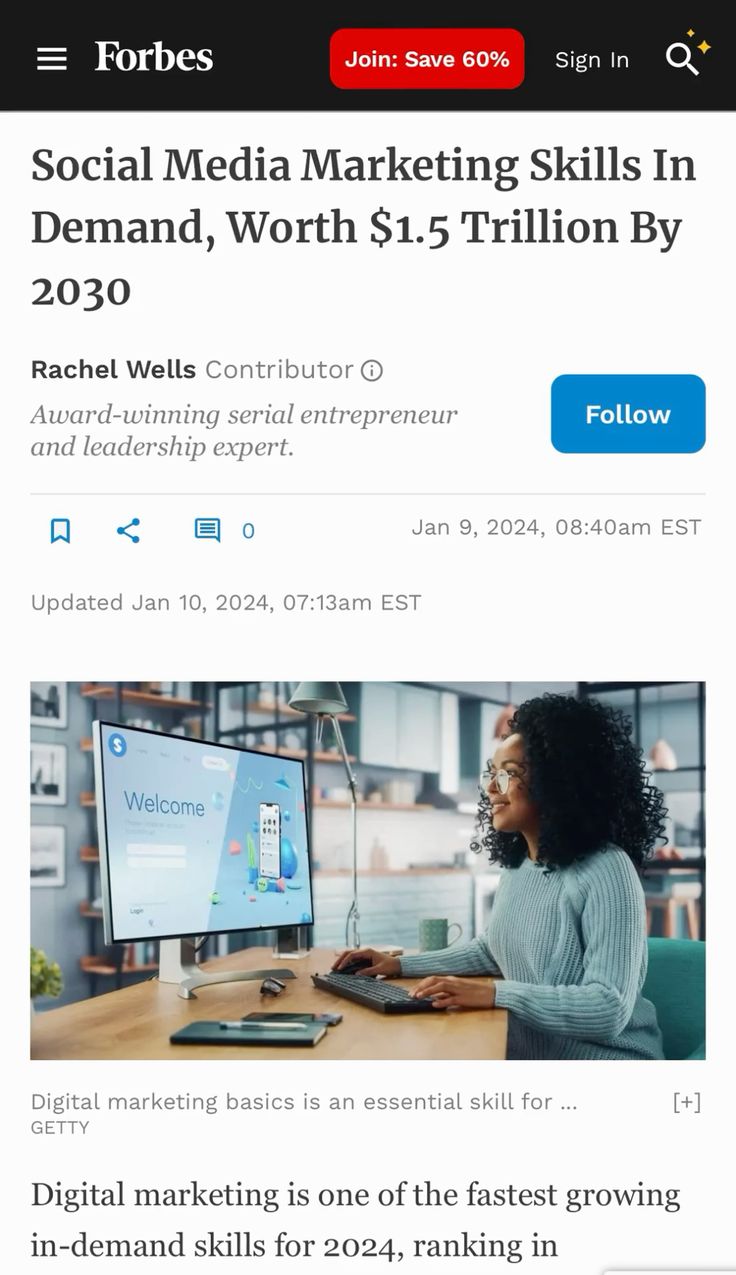
Forbes Digital Marketing: Lessons in Building Reach, Trust and Influence
Forbes is one of the best-known business media brands, with a significant presence across digital publishing, newsletters, video, social media and events. For marketers, “Forbes digital marketing” can mean two things: the ways the publication reaches and engages its audience, and the promotional opportunities available to businesses through its media platforms.
Understanding both can help brands make more informed choices about content, advertising and reputation. Any specific advertising formats, audience figures or commercial terms should be checked directly with Forbes, as these can change over time.
What makes Forbes’ digital presence distinctive?
Forbes brings together business news, analysis, profiles and specialist perspectives. Its digital publishing model gives readers several ways to encounter its content, from website articles to video and social posts. This variety offers a useful lesson for marketers: audiences do not all consume information in the same way, so a strong digital strategy should consider both the message and the format.
Forbes is also associated with business authority and professional audiences. That context can make its media environment relevant to companies seeking visibility among decision-makers, entrepreneurs and people interested in business and finance. However, a familiar publication name alone cannot guarantee results. Campaign performance depends on the audience, creative, offer and measurement plan.
Digital marketing opportunities
Large media publishers may offer advertising and partnership options such as display placements, sponsored articles, video campaigns, newsletters or event-related promotions. The availability and details of any Forbes programme should be confirmed with the publisher or its authorised representatives.
When assessing a media opportunity, consider:
- Audience fit: Does the readership match the people the business needs to reach?
- Campaign objective: Is the priority awareness, consideration, leads or sales?
- Format: Would an article, video, display advert or another format best communicate the message?
- Transparency: Is paid or sponsored content clearly labelled in line with relevant advertising standards?
- Measurement: What reporting will be provided, and how will success be assessed?
- Cost and value: Do the expected benefits justify the total campaign investment?
Content marketing lessons from Forbes
Businesses do not need a publisher’s scale to learn from its approach to digital content. Clear headlines, timely topics and a recognisable editorial voice can all help content stand out. Useful content should answer a reader’s question or offer a fresh perspective, rather than simply promote a product.
Consistency matters, too. A planned programme of articles, social posts, email and video can build familiarity over time. Repurposing a strong idea for different channels may extend its reach, provided each version is adapted to suit the platform and its audience.
Sponsored content and trust
Sponsored content can give a brand space to explain an idea in greater depth than a conventional advert. It should still be accurate, valuable to the reader and clearly identified as paid promotion. Transparent labelling helps audiences understand who created or funded the material and supports trust in both the advertiser and the publisher.
Brands should also distinguish sponsored content from independent editorial coverage. Paying for an advertising placement does not mean a company controls unrelated journalism or is guaranteed favourable editorial treatment.
How to evaluate a Forbes campaign
Before committing to a campaign, set a clear objective and agree how it will be measured. For an awareness campaign, relevant indicators might include reach, views or brand-search activity. For lead generation, track qualified enquiries and conversion rates. Where possible, use tagged links, dedicated landing pages and agreed reporting to understand what the campaign contributes.
It is also worth comparing a publisher campaign with other options, including search advertising, social media, trade publications and a brand’s own content channels. The right choice depends on the target audience, budget and desired outcome—not just the prominence of the media brand.
Final thoughts
Forbes’ digital presence offers marketers a useful example of how established media brands combine content, formats and audience relationships. For businesses considering advertising or partnerships, the key is to look beyond the name: check audience fit, understand the terms, insist on clear disclosure and define success before launch.
A thoughtful campaign can support a wider marketing strategy, but lasting results still depend on relevant messaging, credible content and a clear reason for the audience to engage.
7 Essential Tips for Effective Digital Marketing on Forbes
- Define a clear audience before planning your Forbes campaign.
- Use Forbes articles and newsletters to build brand awareness.
- Pitch useful, evidence-led stories to relevant Forbes editors.
- Consider sponsored content and label it clearly.
- Create strong headlines and concise calls to action.
- Track referrals, engagement and conversions with analytics.
- Repurpose high-performing content across your own channels.
Define a clear audience before planning your Forbes campaign.
Before planning a Forbes digital marketing campaign, define exactly who you want to reach. Consider your audience’s roles, industries, interests, needs and decision-making habits, then check whether they align with the publication’s available readership and targeting options. A clear audience helps you choose the right format, shape a relevant message and set meaningful success measures, making it easier to judge whether the campaign is reaching the people who matter to your business.
Use Forbes articles and newsletters to build brand awareness.
Use Forbes articles and newsletters to build brand awareness by sharing useful, relevant insights with audiences already interested in business and industry news. Consider advertising or sponsored-content opportunities that align naturally with your expertise, and make sure any paid promotion is clearly labelled. Focus on offering genuine value rather than a sales pitch, then track results such as reach, referral visits and engagement to understand whether the activity is helping more people recognise your brand.
Pitch useful, evidence-led stories to relevant Forbes editors.
Pitching useful, evidence-led stories to relevant Forbes editors can help your expertise reach an audience interested in your subject. Research the editor’s remit and recent coverage, then offer a timely angle supported by reliable data, clear examples or original insight. Keep the pitch concise, explain why the story matters to readers and avoid making it a disguised sales message. Editorial coverage is never guaranteed, so focus on providing genuine value rather than expecting publication or promotion in return.
Consider sponsored content and label it clearly.
Consider sponsored content as a way to share useful information with Forbes’ business-minded audience, but make sure it is clearly labelled as paid promotion. Be transparent about who created or funded the content, and ensure it offers genuine value rather than reading like a sales pitch. Clear disclosure helps readers make informed decisions and protects trust in both your brand and the publisher.
Create strong headlines and concise calls to action.
Strong headlines and concise calls to action can make digital marketing content easier to notice and act on. A clear, compelling headline should quickly show readers why the content is relevant, without overpromising or resorting to clickbait. Follow it with a short, specific call to action—such as “Read the full guide” or “Request a consultation”—so people know exactly what to do next. For campaigns associated with Forbes or any other publication, ensure the wording suits the audience, matches the content and makes the intended next step unmistakable.
Track referrals, engagement and conversions with analytics.
Track the performance of your Forbes digital marketing activity with analytics, rather than relying on reach alone. Monitor referral traffic to see how many visitors arrive from Forbes placements, assess engagement through measures such as time on page and link clicks, and track conversions including enquiries, sign-ups or sales. Use tagged links and clear campaign goals to connect results to specific activity, then apply what you learn to improve future campaigns.
Repurpose high-performing content across your own channels.
Repurpose high-performing content across your own channels to extend its value and reach new audiences. A well-received Forbes digital marketing article, for example, could inspire a LinkedIn post, a short video, an email newsletter or a series of social updates. Adapt each version to suit the platform rather than simply copying and pasting, and include a clear next step for readers. This helps you make better use of proven ideas while keeping your messaging consistent and relevant.