
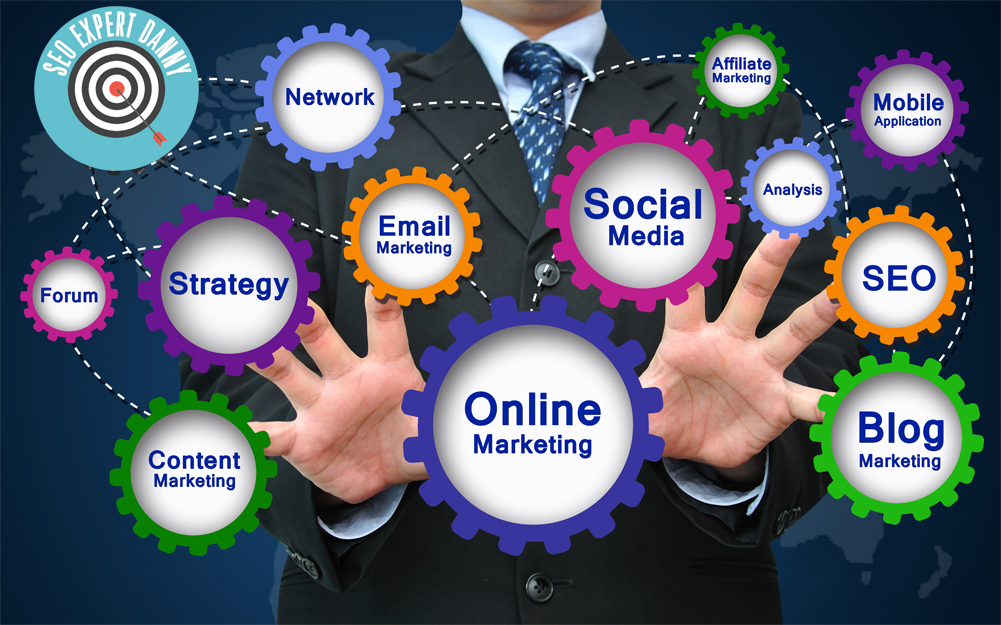
The Power of Online Marketing for Small Businesses
In today’s digital age, online marketing has become a crucial tool for small businesses to reach their target audience and grow their brand presence. With the right strategies and tactics, even small businesses with limited resources can make a significant impact in the online world.
Why Online Marketing Matters
Online marketing offers small businesses a cost-effective way to promote their products or services, engage with customers, and drive sales. Unlike traditional marketing methods, such as print ads or TV commercials, online marketing allows businesses to target specific audiences and track the performance of their campaigns in real-time.
Key Strategies for Small Business Online Marketing
Search Engine Optimization (SEO): Optimising your website for search engines is essential to improve your online visibility and attract organic traffic. By using relevant keywords, creating quality content, and building backlinks, small businesses can improve their search engine rankings and drive more traffic to their site.
Social Media Marketing: Leveraging social media platforms like Facebook, Instagram, and Twitter can help small businesses connect with their audience, build brand awareness, and drive engagement. By posting engaging content regularly and interacting with followers, businesses can nurture relationships and turn followers into customers.
Pay-Per-Click (PPC) Advertising: PPC advertising allows small businesses to reach potential customers through targeted ads displayed on search engines or social media platforms. By setting a budget and targeting specific demographics, businesses can drive traffic to their website and generate leads or sales.
The Benefits of Online Marketing for Small Businesses
Online marketing offers several benefits for small businesses:
- Increased Reach: Reach a wider audience beyond your local market.
- Cost-Effective: Online marketing is often more affordable than traditional advertising methods.
- Data-Driven Insights: Track the performance of your campaigns in real-time and make data-driven decisions.
- Better Targeting: Target specific demographics based on interests, location, behaviour, etc.
- Built-in Analytics: Monitor key metrics to measure the success of your campaigns.
In Conclusion
Small businesses that embrace online marketing have the opportunity to level the playing field with larger competitors and establish a strong online presence. By implementing effective strategies like SEO, social media marketing, and PPC advertising, small businesses can attract new customers, increase brand awareness, and drive growth in the digital landscape.
Essential FAQs About Online Marketing for Small Businesses: Strategies, Tools, and Common Pitfalls
- What is online marketing and why is it important for small businesses?
- How can search engine optimization (SEO) benefit a small business’s online presence?
- What social media platforms are best for small business marketing?
- How can small businesses use content marketing to attract customers online?
- What are the key components of a successful email marketing campaign for small businesses?
- Is pay-per-click (PPC) advertising a viable option for small businesses with limited budgets?
- How can small businesses measure the success of their online marketing efforts?
- What are some common mistakes that small businesses make in their online marketing strategies?
- Are there any affordable tools or resources available to help small businesses with their online marketing efforts?
What is online marketing and why is it important for small businesses?
Online marketing refers to the use of digital channels and strategies to promote products or services online. For small businesses, online marketing is crucial as it provides a cost-effective way to reach a wider audience, engage with potential customers, and drive sales. By leveraging tactics such as search engine optimization (SEO), social media marketing, and pay-per-click (PPC) advertising, small businesses can increase their online visibility, build brand awareness, and compete more effectively in the digital marketplace. Online marketing allows small businesses to target specific demographics, track the performance of their campaigns in real-time, and make data-driven decisions to optimise their marketing efforts for better results. It offers a level playing field for small businesses to compete with larger competitors and establish a strong online presence that can lead to long-term growth and success.
How can search engine optimization (SEO) benefit a small business’s online presence?
Search engine optimization (SEO) plays a crucial role in enhancing a small business’s online presence by improving its visibility and ranking on search engine results pages. By implementing SEO best practices, such as keyword research, on-page optimization, and link building, a small business can attract more organic traffic to its website. This increased visibility not only drives more relevant visitors to the site but also helps establish the business as a credible and authoritative source in its industry. Ultimately, SEO can lead to higher brand awareness, increased website traffic, and better conversion rates for small businesses looking to grow their online presence.
What social media platforms are best for small business marketing?
When it comes to small business marketing on social media, choosing the right platforms can make a significant difference in reaching and engaging with your target audience effectively. Some of the best social media platforms for small businesses include Facebook, Instagram, Twitter, and LinkedIn. Facebook provides a versatile platform for engaging with a wide range of demographics through posts, ads, and groups. Instagram is ideal for visually showcasing products or services and connecting with a younger audience. Twitter offers real-time engagement and customer service opportunities. LinkedIn caters to professional networking and B2B marketing efforts. By selecting the platforms that align with your business goals and target audience, you can maximise your online marketing efforts and drive meaningful results for your small business.
How can small businesses use content marketing to attract customers online?
Small businesses can leverage content marketing as a powerful strategy to attract customers online by creating valuable and engaging content that resonates with their target audience. By developing high-quality blog posts, articles, videos, infographics, and social media posts that address the needs and interests of their potential customers, small businesses can establish themselves as industry experts and build trust with their audience. Consistent and relevant content not only helps drive organic traffic to their website but also enhances brand visibility, credibility, and loyalty among online consumers. By focusing on providing informative and entertaining content that adds value to their audience’s lives, small businesses can effectively attract and retain customers in the competitive online landscape.
What are the key components of a successful email marketing campaign for small businesses?
When it comes to small business online marketing, the key components of a successful email marketing campaign play a crucial role in engaging customers and driving conversions. Personalisation is essential to tailor content to the recipient’s interests and needs, increasing open rates and click-through rates. Compelling subject lines that grab attention, relevant and valuable content that resonates with the audience, clear call-to-action buttons that prompt action, and mobile-responsive design for optimal viewing on various devices are all vital elements of a successful email marketing campaign for small businesses. By focusing on these components, small businesses can effectively connect with their target audience, nurture relationships, and achieve their marketing goals through email campaigns.
Is pay-per-click (PPC) advertising a viable option for small businesses with limited budgets?
When considering pay-per-click (PPC) advertising as a viable option for small businesses with limited budgets, it’s important to weigh the potential benefits against the costs involved. While PPC advertising can provide immediate visibility and targeted reach to a specific audience, the budget allocation and cost-per-click factors must be carefully managed to ensure a positive return on investment. Small businesses can leverage PPC advertising effectively by focusing on highly relevant keywords, setting realistic budget limits, and continuously monitoring and adjusting their campaigns to maximise results within their financial constraints. By implementing strategic tactics and closely monitoring performance metrics, small businesses can make PPC advertising a viable and cost-effective marketing option that yields tangible results in driving traffic and conversions.
How can small businesses measure the success of their online marketing efforts?
Small businesses can measure the success of their online marketing efforts through various key performance indicators (KPIs) such as website traffic, conversion rates, lead generation, social media engagement, and return on investment (ROI). By tracking metrics like website visitors, click-through rates, email open rates, and sales conversions, small businesses can evaluate the effectiveness of their online marketing campaigns and make data-driven decisions to optimise their strategies. Additionally, using tools like Google Analytics and social media insights can provide valuable insights into audience behaviour and campaign performance, helping small businesses refine their online marketing efforts for better results.
What are some common mistakes that small businesses make in their online marketing strategies?
When it comes to small business online marketing, some common mistakes that businesses often make in their strategies include neglecting the importance of search engine optimisation (SEO), inconsistent branding across different online platforms, lack of a clear target audience definition, failure to track and analyse campaign performance metrics, and underestimating the power of engaging content. These mistakes can hinder the effectiveness of online marketing efforts and limit the growth potential for small businesses in the digital realm. It is crucial for small businesses to address these pitfalls and refine their strategies to maximise their online presence and reach their target audience effectively.
Are there any affordable tools or resources available to help small businesses with their online marketing efforts?
Small businesses looking to enhance their online marketing efforts often wonder about the availability of affordable tools and resources to support their initiatives. Fortunately, there is a wide range of cost-effective solutions tailored specifically for small businesses in the digital marketing realm. From free SEO tools for keyword research and website analysis to budget-friendly social media management platforms and email marketing services, small businesses can access a variety of resources to streamline their online marketing strategies without breaking the bank. By leveraging these affordable tools and resources effectively, small businesses can maximise their online presence, engage with their target audience, and drive growth in a competitive digital landscape.