
How to Plan a Successful Website Marketing Campaign
A website marketing campaign is a planned set of activities designed to attract the right people to your website and encourage them to take a meaningful action. That action might be making a purchase, booking a consultation, signing up to a newsletter or downloading a guide.
Rather than relying on a single advert or social media post, an effective campaign brings together clear goals, useful content and the right marketing channels. Here’s how to build one from the ground up.
Start with a clear objective
Before choosing channels or creating content, decide what the campaign needs to achieve. A broad aim such as “get more traffic” is difficult to measure and may not support your wider business goals. Make the objective specific instead.
For example, you might aim to:
- Increase enquiries for a particular service
- Sell a new product to a defined audience
- Grow your email subscriber list
- Bring more visitors to a key landing page
- Encourage existing customers to make another purchase
Set a target and a timeframe where possible. A well-defined objective helps you decide what to measure and where to focus your budget.
Understand your audience
A campaign works best when it speaks to a particular group of people and addresses a real need. Consider who you want to reach, what they are looking for and what might prevent them from taking action.
Use customer feedback, website analytics, sales conversations and search data to build a practical picture of your audience. You do not need a complicated profile. A simple understanding of their priorities, questions and decision-making process is a strong starting point.
Make sure your website is ready
Marketing can bring visitors to your website, but the website itself must help them find what they need and take the next step. Before launching a campaign, check that the relevant pages are clear, accurate and easy to use.
- Make the main benefit easy to understand
- Use clear calls to action, such as “Request a quote” or “Shop now”
- Ensure pages work well on mobile devices
- Check page speed, links and forms
- Show useful information about pricing, delivery, support or next steps
- Make contact details easy to find
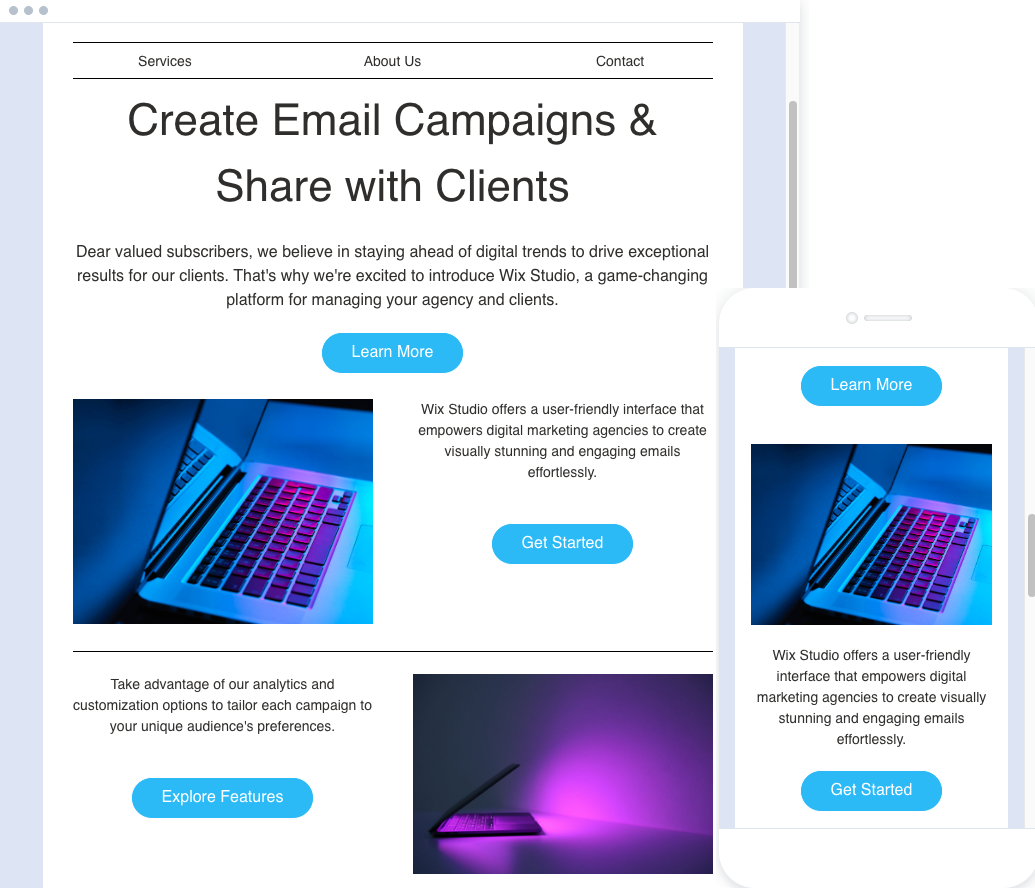
A focused landing page can be especially useful for a campaign. It should match the message in your advert or email and guide visitors towards one primary action.
Choose the right marketing channels
There is no single channel that suits every campaign. The right mix depends on your audience, objective, budget and the time available. You might use one channel or combine several.
Search engine optimisation
Search engine optimisation (SEO) can help your pages appear when people search for relevant information, products or services. It is generally a longer-term investment, so it may not produce immediate results. Useful content, a technically sound website and relevant search terms all contribute to an effective SEO approach.
Paid search and social advertising
Paid advertising can put your offer in front of selected audiences more quickly. Set a clear budget, choose relevant targeting and make sure the advert leads to a page that supports the same message. Monitor performance closely so you can adjust spending and creative where needed.
Email marketing
Email can be a valuable way to reach people who have already shown an interest in your organisation. Send relevant messages to subscribers who have given permission to hear from you, and make it clear how they can manage their preferences or unsubscribe.
Content and social media
Articles, videos, guides and social posts can help explain your offer, answer common questions and build awareness. Focus on content that is genuinely useful to your audience rather than publishing simply to fill a schedule.
Create a consistent campaign message
Your website, adverts, emails and social posts should feel like parts of the same campaign. Keep the central promise consistent, while adapting the format and detail to suit each channel.
A useful message explains what you offer, who it is for and why it is worth considering. Avoid vague claims. Specific, supportable benefits are more credible and make it easier for people to understand what to do next.
Set a realistic budget and schedule
Plan for the full cost of the campaign, not just advertising spend. You may also need to account for content creation, design, website changes, software and measurement. Decide how much you can invest and how long the campaign will run before assessing its results.
Create a simple schedule with key dates for preparing content, launching activity, checking performance and reviewing outcomes. Build in time to make improvements rather than treating the launch as the final step.
Measure what matters
Choose measurements that relate directly to your objective. Website visits can be useful, but they do not tell the whole story. Depending on the campaign, you may also want to track:
- Enquiries, bookings or sales
- Conversion rate
- Cost per lead or acquisition
- Email sign-ups and engagement
- Revenue generated
- Performance by channel or landing page
Make sure your analytics and conversion tracking are set up before the campaign begins. Review the data regularly, but avoid making decisions based on very small amounts of information. Look for patterns and compare results with your original objective.
Test, learn and improve
A campaign rarely performs perfectly from day one. Test changes to headlines, images, calls to action, audience targeting or landing-page layouts. Where possible, change one important element at a time so you can better understand what influenced the result.
Use what you learn to improve the campaign while it is running and to make better decisions next time. Even a campaign that misses its target can provide useful information about your audience, offer or website.
A practical campaign checklist
- Set a specific, measurable objective
- Define the audience and the need you are addressing
- Check that your website and landing pages are ready
- Select channels that suit your audience and budget
- Use a clear, consistent message
- Set up analytics and conversion tracking
- Review results and make evidence-based improvements
Conclusion
A successful website marketing campaign starts with a clear goal and a useful understanding of the people you want to reach. By preparing your website, choosing appropriate channels and measuring meaningful outcomes, you can make your marketing more focused and effective. Plan carefully, keep improving and let the results guide your next steps.
Website Marketing Campaigns: 9 Frequently Asked Questions
- What is a website marketing campaign?
- How do I create a website marketing campaign?
- How much does a website marketing campaign cost?
- Which marketing channels should I use to promote my website?
- How long does it take for a website marketing campaign to show results?
- How can I attract more visitors to my website?
- How do I measure the success of a website marketing campaign?
- What should a website landing page include to convert visitors?
- How can I improve the performance of my website marketing campaign?
What is a website marketing campaign?
A website marketing campaign is a planned series of activities that uses channels such as search engines, email, social media and online advertising to attract a chosen audience to your website and encourage them to take a specific action. That action could be making a purchase, requesting a quote or signing up to a newsletter. A successful campaign has a clear goal, a consistent message and a way to measure its results.
How do I create a website marketing campaign?
To create a website marketing campaign, start by setting a clear goal, such as increasing enquiries, sales or newsletter sign-ups. Identify your target audience and what they need, then make sure your website has a relevant, easy-to-use page with a clear call to action. Choose suitable channels—such as SEO, paid advertising, email or social media—and keep your message consistent across them. Set a budget and timeframe, and use analytics to track results such as conversions and cost per lead. Review performance regularly and adjust your approach based on what works.
How much does a website marketing campaign cost?
The cost of a website marketing campaign varies depending on your goals, audience, chosen channels and the time needed to create and manage the work. A campaign focused on organic search or content may require more time and expertise, while paid advertising also needs a media budget on top of any setup or management fees. Website updates, design, analytics and content creation can add to the total. Set a budget based on what you want the campaign to achieve, and ask providers for a clear breakdown of costs, expected deliverables and how results will be measured.
Which marketing channels should I use to promote my website?
The best marketing channels depend on your audience, goals and budget. Search engine optimisation can help people discover your website over time, while paid search and social advertising can reach targeted audiences more quickly. Email is useful for staying in touch with people who have opted in, and social media or content marketing can build awareness and answer common questions. Start with the channels your audience is most likely to use, track results such as enquiries or sales, and focus your effort on what performs best.
How long does it take for a website marketing campaign to show results?
The time it takes to see results from a website marketing campaign depends on the channels used, your goals, budget and starting point. Paid advertising can generate visits and enquiries soon after launch, although results may take time to optimise. SEO and content marketing usually take longer, often several months, as search visibility builds gradually. Set clear measures of success, monitor performance regularly and allow enough time to identify meaningful trends.
How can I attract more visitors to my website?
Attract more visitors by creating useful, relevant content that answers the questions your audience is searching for, and make sure your website is easy to use on mobile and loads quickly. Improve your visibility in search results with good SEO, share your content through suitable social media and email channels, and consider targeted advertising if it fits your budget. Track where your visitors come from and which pages perform well, then use those insights to refine your marketing.
How do I measure the success of a website marketing campaign?
Measure the success of a website marketing campaign against the goals you set before it began. Track relevant metrics such as qualified website visits, enquiries, sales, conversion rates, email sign-ups and cost per lead, using tools such as website analytics and advertising reports. Focus on the figures that show whether the campaign is delivering meaningful results, rather than traffic alone. Review performance regularly and compare it with your targets, budget and previous activity so you can identify what is working and improve what isn’t.
What should a website landing page include to convert visitors?
A landing page designed to convert visitors should focus on one clear goal and make the next step easy to take. Include a compelling headline, a concise explanation of the offer and its benefits, and a prominent call to action, such as “Request a quote” or “Sign up”. Use relevant images or examples, genuine testimonials or trust signals, and clear details that address common questions or concerns. Keep the layout uncluttered, make the page quick to load and easy to use on mobile, and ensure the content matches the advert, email or link that brought visitors there.
How can I improve the performance of my website marketing campaign?
To improve the performance of your website marketing campaign, start by setting clear goals and tracking the measures that matter, such as enquiries, sales or sign-ups—not just website visits. Use analytics to see which channels and pages bring the most valuable visitors, then refine your targeting, content and calls to action. Make sure your website is fast, mobile-friendly and easy to navigate, and that each campaign leads to a relevant landing page. Test changes one at a time, review results regularly and use what you learn to improve your next steps.