
SEO as a Marketing Strategy: Building Sustainable Growth
Search engine optimisation (SEO) is more than a way to improve a website’s position in search results. Used strategically, it helps a business reach people who are actively looking for its products, services or expertise. By making a website more useful, visible and trustworthy, SEO can support long-term growth and complement other marketing channels.
What does SEO involve?
SEO is the work involved in helping search engines understand a website and helping the right people find it. It brings together several areas:
- Technical SEO: making sure a website can be crawled and indexed, loads reliably and works well on mobile devices.
- On-page SEO: creating clear, relevant pages, with useful headings, descriptive titles and content that addresses searchers’ needs.
- Content strategy: planning and publishing material that answers real questions and demonstrates relevant knowledge.
- Off-page SEO: earning credible mentions and links from other websites, while building a positive reputation.
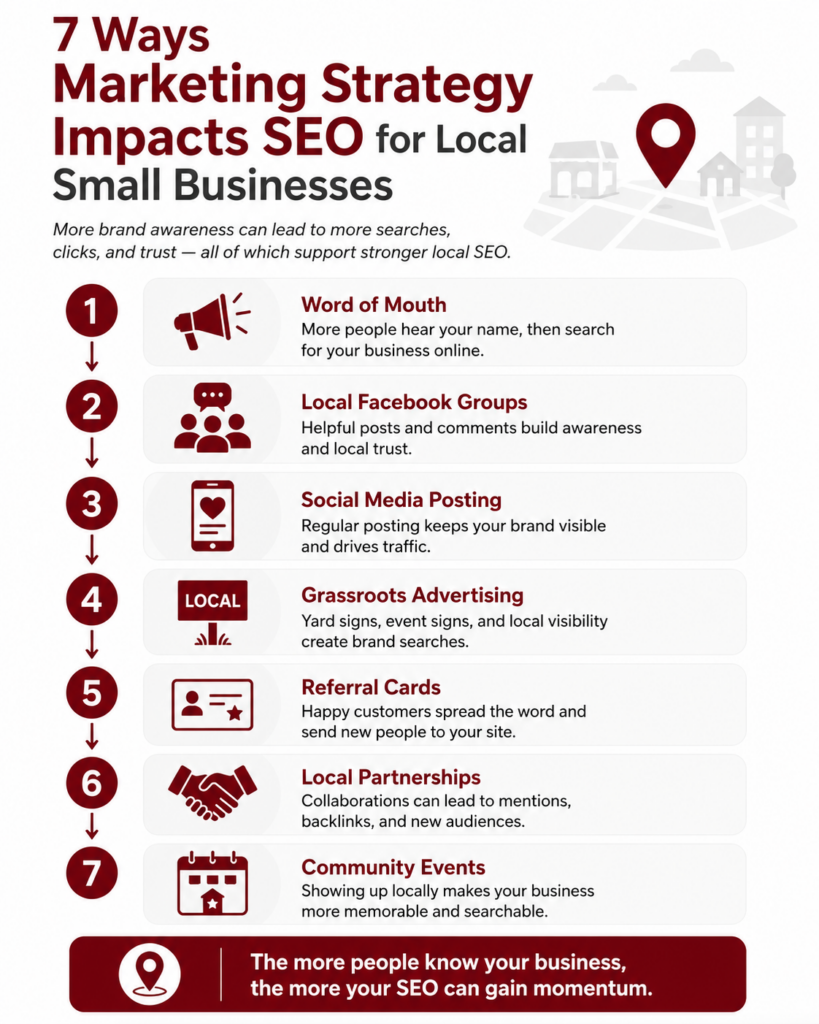
- Local SEO: helping businesses appear in searches with local intent, such as people looking for nearby services.
Why make SEO part of your marketing strategy?
Reach people with clear intent
Search queries can reveal what someone needs, whether they are researching a problem, comparing options or ready to make a purchase. A well-planned SEO strategy matches useful pages to those different stages, rather than treating every visitor as if they were ready to buy.
Build visibility over time
Paid advertising can deliver visibility while a campaign is running. SEO, by contrast, aims to build lasting visibility through a technically sound site and valuable content. Results take time and are never guaranteed, but pages that continue to meet users’ needs may attract relevant visitors long after publication.
Strengthen trust and credibility
People are more likely to trust a business that provides accurate, helpful information and a straightforward online experience. Strong SEO encourages businesses to make their expertise clear, keep information up to date and address visitors’ questions honestly.
Support the wider marketing mix
SEO can work alongside paid search, social media, email and public relations. Search data can highlight topics customers care about, while paid campaigns can help test messages or provide visibility for important offers. Insights from other channels can also inform content and search priorities.
How to develop an SEO strategy
-
Set business objectives.
Start with the outcome the business needs, such as qualified enquiries, online sales, bookings or greater awareness in a particular market. SEO goals should support these objectives rather than focus only on rankings.
-
Understand your audience.
Research the questions, needs and language of your potential customers. Consider what they are trying to achieve and what information would help them make a confident decision.
-
Research search opportunities.
Identify relevant searches and group them by intent. A broad, high-volume keyword is not necessarily the best opportunity if it attracts visitors who are unlikely to need your product or service.
-
Review your website.
Check for issues that could affect discovery or usability, including broken links, duplicate pages, slow loading times, unclear navigation and missing or poorly structured content. Prioritise fixes according to their likely impact and effort.
-
Plan useful content.
Create or improve pages that answer your audience’s questions with accuracy and clarity. Each page should have a clear purpose, serve a distinct need and make the next step easy to understand.
-
Measure and refine.
Use analytics and search performance tools to understand what is working. Review the data regularly, improve underperforming pages and adjust the plan as customer needs and search results change.
Measuring SEO performance
Rankings can be useful, but they do not tell the whole story. A more complete view includes measures such as:
- organic visits to relevant pages;
- qualified enquiries, sales, bookings or other conversions;
- visibility for searches that matter to the business;
- engagement with key pages and content;
- technical health, including crawlability and page experience; and
- the contribution of organic search to business outcomes over time.
Measurement should take account of the time it can take for changes to have an effect. It is also important to distinguish correlation from causation: a rise in traffic does not automatically mean that an SEO change produced more revenue.
Common SEO mistakes to avoid
- Chasing traffic instead of relevance: attracting more visitors is not helpful if they are unlikely to become customers.
- Writing for search engines rather than people: excessive repetition of keywords can make content awkward and less useful.
- Publishing without a clear purpose: every page should meet a genuine audience need and fit the wider site.
- Expecting instant results: SEO is a continuing investment, and outcomes depend on competition, the website and many other factors.
- Neglecting the user experience: visibility has limited value if a site is difficult to navigate or its information is unclear.
- Ignoring change: content, products, customer expectations and search results evolve, so regular review is essential.
SEO is a long-term marketing investment
SEO is most effective when it is connected to a business’s wider marketing goals. It combines technical foundations, audience insight, useful content and ongoing measurement to help the right people find and choose a business. While it takes patience and consistent effort, a thoughtful SEO strategy can create a durable source of visibility and support growth across the customer journey.
Essential FAQs About SEO as a Marketing Strategy: Understanding Its Role, Importance, and Implementation
- What is SEO, and how does it work as a marketing strategy?
- Why is SEO important for a business?
- How does SEO differ from paid search advertising?
- How long does SEO take to produce results?
- How much does an SEO strategy cost?
- What are the key elements of an effective SEO strategy?
- How can I measure the success of SEO?
- Can SEO help a small or local business attract more customers?
- How often should an SEO strategy be reviewed and updated?
What is SEO, and how does it work as a marketing strategy?
SEO, or search engine optimisation, is the process of improving a website so that it is easier for search engines to understand and more likely to appear in relevant search results. As a marketing strategy, it combines technical improvements, useful content and a positive website experience to help potential customers find a business when they are searching for related information, products or services. By targeting relevant searches and meeting users’ needs, SEO can attract qualified visitors, build trust and support long-term growth, although results usually take time and ongoing effort.
Why is SEO important for a business?
SEO is important for a business because it helps potential customers find its website when they search online for relevant products, services or information. By improving a site’s visibility and making its content useful and easy to navigate, SEO can attract qualified visitors, build trust and support enquiries or sales. Unlike paid advertising, organic visibility can continue to deliver value over time, although it requires ongoing effort and results are not guaranteed.
How does SEO differ from paid search advertising?
SEO focuses on improving a website’s visibility in unpaid, or organic, search results through useful content, technical improvements and a strong user experience. Paid search advertising places sponsored listings in search results, with businesses typically paying when someone clicks an advert. Paid search can generate visibility quickly, but that visibility usually stops when the campaign ends; SEO often takes longer to build, but can attract relevant visitors over time. The two approaches can complement each other, helping businesses reach people at different stages of their search.
How long does SEO take to produce results?
SEO typically takes several months to produce noticeable results, although the timeframe varies depending on your website’s current health, competition, industry and the work involved. Technical improvements may have an impact sooner, while building authority and earning stronger organic visibility often takes longer. SEO is an ongoing strategy rather than a quick fix, so measure progress against meaningful goals—such as relevant traffic, enquiries or sales—and review performance regularly.
How much does an SEO strategy cost?
The cost of an SEO strategy varies depending on your website, business goals, level of competition and the work required. A small business may need a modest, focused plan, while a larger organisation operating in competitive markets may require ongoing technical improvements, content creation and specialist support. Agencies and consultants may charge a fixed project fee, a monthly retainer or an hourly rate. When comparing proposals, look beyond the price: check what is included, how success will be measured and whether the recommendations are tailored to your business. SEO is a long-term investment, so allow time for results to develop and be cautious of guarantees of specific rankings.
What are the key elements of an effective SEO strategy?
An effective SEO strategy combines a technically sound, mobile-friendly website with useful, trustworthy content that meets your audience’s needs. It starts with clear business goals and keyword research based on what people are searching for, then improves relevant pages, site structure and loading speed. Earning credible links and mentions can strengthen your site’s authority, while local SEO may help you reach nearby customers. Finally, track meaningful results—such as qualified visits, enquiries and sales—and regularly refine your approach as audience needs and search results change.
How can I measure the success of SEO?
You can measure the success of SEO by tracking whether it contributes to your business goals, not just whether your pages rank higher. Monitor organic traffic to relevant pages, visibility for important searches, and meaningful outcomes such as enquiries, sales, bookings or sign-ups. It is also useful to review engagement, website performance and the quality of leads generated. Compare results over time, taking account of seasonal trends and the time SEO can take to show an impact, then use what you learn to refine your strategy.
Can SEO help a small or local business attract more customers?
Yes. SEO can help a small or local business reach people searching for nearby products or services. By keeping business details accurate across online listings, creating useful location-specific website content and encouraging genuine customer reviews, a business can improve its chances of appearing in relevant local search results. SEO takes time and results vary, but it can be a cost-effective way to build visibility and attract potential customers who are already looking for what the business offers.
How often should an SEO strategy be reviewed and updated?
An SEO strategy should be reviewed regularly, with performance checked at least monthly and the overall plan revisited every three to six months. Update it sooner when there are significant changes to your business, website, audience, competitors or search engine guidance. Regular reviews help you spot emerging opportunities, address technical issues and improve content that is no longer meeting users’ needs. SEO results can take time, so assess trends over an appropriate period rather than making major changes in response to short-term fluctuations.