
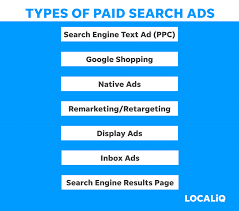
The Power of PPC Search Advertising
Pay-Per-Click (PPC) search advertising is a powerful tool in the digital marketing landscape, allowing businesses to reach their target audience with precision and control. By bidding on keywords relevant to their products or services, advertisers can display ads at the top of search engine results pages, driving qualified traffic to their websites.
One of the key advantages of PPC search advertising is its immediacy. Unlike organic search efforts that can take time to gain traction, PPC campaigns can generate results almost instantly. This makes it an ideal strategy for businesses looking to boost visibility, drive conversions, or promote time-sensitive offers.
Moreover, PPC offers unparalleled targeting options. Advertisers can tailor their campaigns based on factors such as location, device, demographics, and even specific keywords. This level of granularity ensures that ads are shown to the most relevant audience, increasing the likelihood of engagement and conversion.
Another benefit of PPC search advertising is its measurability. Advertisers have access to a wealth of data and analytics that provide insights into campaign performance. From click-through rates to conversion tracking, this data allows businesses to fine-tune their strategies for optimal results.
However, successful PPC campaigns require careful planning and management. From keyword research and ad copy creation to bid optimization and A/B testing, there are many moving parts that contribute to a campaign’s success. Working with experienced professionals or agencies can help businesses navigate the complexities of PPC advertising and maximise their ROI.
In conclusion, PPC search advertising is a valuable tool for businesses looking to enhance their online presence and drive targeted traffic to their websites. By leveraging the immediacy, targeting capabilities, and measurability of PPC campaigns, businesses can achieve their marketing objectives effectively and efficiently in today’s competitive digital landscape.
Understanding PPC Search Advertising: Key FAQs and Insights
- What is PPC search advertising?
- How does PPC search advertising work?
- What are the benefits of using PPC for search?
- What is the difference between SEO and PPC?
- How can I create effective PPC search campaigns?
- What metrics should I track to measure the success of my PPC campaigns?
What is PPC search advertising?
PPC search advertising, often referred to as Pay-Per-Click search advertising, is a digital marketing strategy where advertisers bid on specific keywords to display ads at the top of search engine results pages. When users search for terms related to the chosen keywords, these targeted ads are shown, and advertisers pay a fee each time their ad is clicked. This form of online advertising allows businesses to reach their target audience effectively, drive relevant traffic to their websites, and achieve specific marketing goals through precise targeting and measurable results.
How does PPC search advertising work?
PPC search advertising operates on a straightforward principle: advertisers bid on specific keywords relevant to their products or services. When users conduct searches using those keywords, ads from relevant advertisers are displayed at the top of search engine results pages. The placement of these ads is determined by a combination of bid amount and ad relevance, ensuring that users see the most pertinent results. Advertisers only pay when their ad is clicked, hence the term “Pay-Per-Click”. This model allows businesses to target their desired audience effectively, measure campaign performance accurately, and adjust strategies based on real-time data insights. Overall, PPC search advertising offers a cost-effective and efficient way for businesses to connect with potential customers actively searching for what they offer.
What are the benefits of using PPC for search?
One of the frequently asked questions regarding PPC search is, “What are the benefits of using PPC for search?” The advantages of utilising PPC in search advertising are manifold. Firstly, PPC offers businesses immediate visibility on search engine results pages, ensuring that their ads are prominently displayed to users actively searching for relevant products or services. Additionally, the targeting capabilities of PPC allow advertisers to reach specific audiences based on factors such as location, demographics, and keywords, thereby maximising the relevance and effectiveness of their campaigns. Furthermore, the measurability of PPC campaigns enables businesses to track performance metrics closely and make data-driven decisions to optimise their strategies for better results. Overall, leveraging PPC for search empowers businesses to enhance their online presence, drive targeted traffic, and achieve their marketing goals efficiently in today’s competitive digital landscape.
What is the difference between SEO and PPC?
One frequently asked question in the realm of PPC search is, “What is the difference between SEO and PPC?” Search Engine Optimization (SEO) and Pay-Per-Click (PPC) are two distinct digital marketing strategies with unique approaches. SEO focuses on improving a website’s organic visibility in search engine results through techniques like keyword optimization, content creation, and link building. On the other hand, PPC involves paying for ad placements on search engine results pages based on selected keywords. While SEO is a long-term strategy that aims to increase organic traffic over time, PPC offers immediate visibility but requires ongoing investment. Understanding the differences between SEO and PPC is crucial for businesses to develop a comprehensive digital marketing strategy that aligns with their goals and resources.
How can I create effective PPC search campaigns?
Creating effective PPC search campaigns requires a strategic approach that encompasses various key elements. Firstly, conducting thorough keyword research to identify relevant and high-performing keywords is crucial for targeting the right audience. Crafting compelling ad copy that resonates with users and entices them to click is essential for driving engagement. Setting clear campaign goals, defining KPIs, and continuously monitoring and optimising performance based on data insights are vital for maximising results. Utilising ad extensions, testing different ad formats, and ensuring landing pages are optimised for conversions also play a significant role in creating successful PPC search campaigns. By following best practices, staying informed about industry trends, and adapting strategies based on performance metrics, businesses can create effective PPC campaigns that deliver tangible results.
What metrics should I track to measure the success of my PPC campaigns?
When evaluating the success of your PPC campaigns, it is essential to track various metrics to gain a comprehensive understanding of their performance. Key metrics to monitor include click-through rate (CTR), conversion rate, cost per click (CPC), return on ad spend (ROAS), and quality score. CTR indicates the percentage of users who clicked on your ad after seeing it, while conversion rate measures the proportion of clicks that result in a desired action, such as a purchase or sign-up. CPC helps assess the cost-effectiveness of your campaigns, while ROAS quantifies the revenue generated for every pound spent on advertising. Additionally, monitoring quality score provides insights into the relevance and effectiveness of your ads. By analysing these metrics regularly and making data-driven adjustments, you can optimise your PPC campaigns for maximum impact and return on investment.