
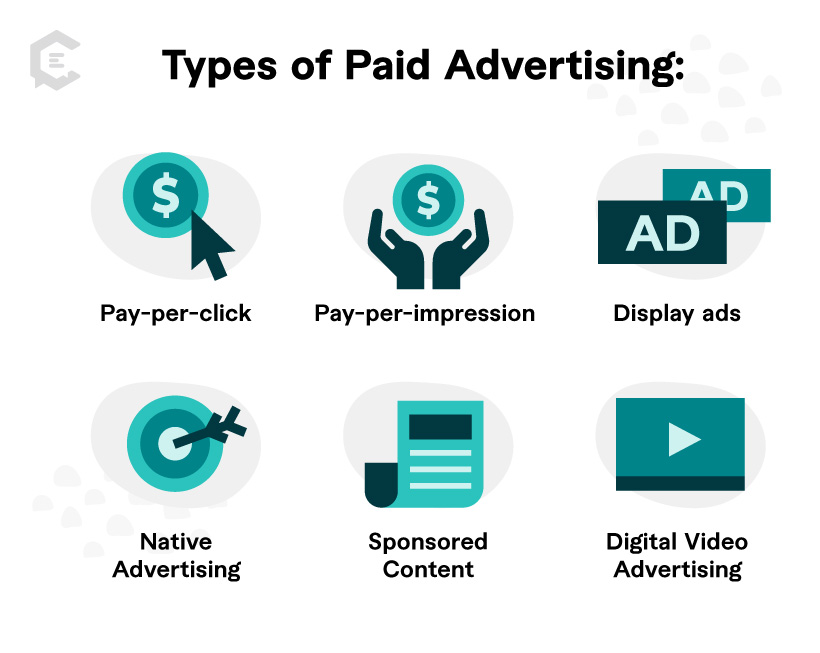
The Power of Paid Online Advertising
In today’s digital age, paid online advertising has become a crucial component of any successful marketing strategy. With the ability to reach a targeted audience, track performance metrics, and adjust campaigns in real-time, paid advertising offers businesses a powerful tool to drive traffic, generate leads, and increase conversions.
Benefits of Paid Online Advertising
One of the key advantages of paid online advertising is its scalability. Whether you’re a small start-up or a large corporation, you can tailor your ad spend to suit your budget and goals. This flexibility allows businesses of all sizes to compete on a level playing field and maximise their return on investment.
Furthermore, paid advertising provides instant visibility. Unlike organic methods that can take time to gain traction, paid ads appear at the top of search engine results pages or on relevant websites as soon as the campaign goes live. This immediate exposure can help businesses boost brand awareness and attract new customers quickly.
Types of Paid Online Advertising
There are various types of paid online advertising channels available to marketers, including:
- Search Engine Marketing (SEM): Using platforms like Google Ads to bid on keywords and display ads in search engine results.
- Social Media Advertising: Promoting content on social media platforms such as Facebook, Instagram, Twitter, and LinkedIn to target specific demographics.
- Display Advertising: Placing visual ads on websites within ad networks to reach potential customers based on their browsing behaviour.
- Remarketing: Targeting users who have previously visited your website with personalised ads to encourage them to return and complete a desired action.
Measuring Success
To ensure the effectiveness of paid online advertising campaigns, it’s essential to track key performance indicators (KPIs) such as click-through rates (CTR), conversion rates, cost per acquisition (CPA), and return on ad spend (ROAS). By analysing these metrics regularly, marketers can identify areas for improvement and optimise their campaigns for better results.
Conclusion
Paid online advertising offers businesses a cost-effective way to reach their target audience, drive traffic to their websites, and achieve their marketing objectives. By leveraging the right channels and monitoring performance metrics closely, organisations can maximise the impact of their ad spend and stay ahead in today’s competitive digital landscape.
Understanding Paid Online Advertising: Top 9 Frequently Asked Questions
- Do we really see 4000 ads a day?
- What is paid advertising example?
- Which is an example of online advertising?
- What are the types of paid advertising?
- What are examples of paid online advertising?
- Which online advertising is best?
- Which is not an example of paid online advertising?
- What is an example of a paid online advertising strategy?
- What is paid advertising called?
Do we really see 4000 ads a day?
The claim that individuals are exposed to 4000 ads a day has been a subject of debate and scrutiny within the realm of paid online advertising. While it is challenging to pinpoint an exact number due to varying methodologies and definitions of what constitutes an ad exposure, studies suggest that the actual figure may be lower than commonly cited. Factors such as ad-blocking technologies, selective attention, and individual media consumption habits all play a role in determining the true extent of ad exposure. It is crucial for businesses to focus on creating engaging and relevant ad content that resonates with their target audience amidst the evolving landscape of digital advertising.
What is paid advertising example?
Paid advertising examples encompass a wide range of formats and platforms used by businesses to promote their products or services online. Common examples include search engine marketing (SEM) ads displayed on search engine results pages, social media advertising on platforms like Facebook and Instagram, display ads featured on websites within ad networks, and remarketing campaigns targeting users who have previously visited a website. These paid advertising examples demonstrate the versatility and effectiveness of online marketing strategies in reaching target audiences and driving conversions.
Which is an example of online advertising?
An example of online advertising is display advertising, where visual ads are placed on websites within ad networks to reach a specific target audience based on their browsing behaviour. These ads can appear in various formats, such as banners, pop-ups, or native ads, and are designed to attract users’ attention and drive them to take a desired action, such as visiting a website or making a purchase. Display advertising is a popular choice for businesses looking to increase brand visibility and engage with potential customers across the vast landscape of the internet.
What are the types of paid advertising?
When it comes to paid online advertising, there are several types of strategies that businesses can leverage to reach their target audience effectively. Some common types of paid advertising include Search Engine Marketing (SEM), where businesses bid on keywords to display ads in search engine results; Social Media Advertising, which involves promoting content on platforms like Facebook, Instagram, and Twitter to engage specific demographics; Display Advertising, where visual ads are placed on websites within ad networks based on user behaviour; and Remarketing, which targets users who have previously visited a website with personalised ads. Each type of paid advertising offers unique opportunities for businesses to increase brand visibility and drive conversions in the competitive digital landscape.
What are examples of paid online advertising?
When exploring the realm of paid online advertising, it’s essential to consider the diverse range of channels and formats available to marketers. Examples of paid online advertising include Search Engine Marketing (SEM) through platforms like Google Ads, where businesses bid on keywords to display ads in search results. Social Media Advertising on platforms such as Facebook, Instagram, Twitter, and LinkedIn allows for targeted promotion to specific demographics. Display Advertising involves placing visual ads on websites within ad networks based on user behaviour. Additionally, Remarketing targets users who have previously visited a website with personalised ads to encourage return visits and conversions. These examples illustrate the versatility and effectiveness of paid online advertising in reaching and engaging with target audiences effectively.
Which online advertising is best?
When it comes to determining the best online advertising strategy, there is no one-size-fits-all answer. The effectiveness of online advertising channels varies depending on factors such as the target audience, campaign objectives, budget constraints, and industry niche. Search engine marketing (SEM) through platforms like Google Ads may be ideal for businesses looking to capture high-intent leads, while social media advertising on platforms such as Facebook and Instagram can be effective for building brand awareness and engaging with a broader audience. Ultimately, the best online advertising approach is one that aligns with the specific goals and resources of each individual business, requiring careful consideration and strategic planning to achieve optimal results.
Which is not an example of paid online advertising?
In the realm of digital marketing, it is important to distinguish between various forms of online advertising. When considering the question “Which is not an example of paid online advertising?”, it is crucial to understand that organic search engine optimisation (SEO) efforts, such as improving website content and meta tags to rank higher in search results without paying for placement, do not fall under the category of paid online advertising. While SEO is a vital component of a comprehensive digital strategy, it operates independently from paid advertising channels like search engine marketing (SEM), social media ads, display advertising, and remarketing campaigns that involve monetary investments to promote content and reach target audiences effectively.
What is an example of a paid online advertising strategy?
An example of a paid online advertising strategy is Search Engine Marketing (SEM), specifically using Google Ads. With this strategy, businesses bid on relevant keywords to have their ads displayed at the top of search engine results pages. By targeting specific keywords related to their products or services, companies can reach potential customers who are actively searching for what they offer. SEM allows businesses to set budgets, track performance metrics, and adjust campaigns in real-time to maximise their visibility and drive qualified traffic to their websites.
What is paid advertising called?
Paid advertising is commonly referred to as “online advertising” or “digital advertising.” This form of marketing involves businesses paying to display their promotional content on various online platforms, including search engines, social media sites, and websites. By investing in paid advertising, companies can increase their visibility to their target audience and drive traffic to their websites or landing pages. The term “paid advertising” encompasses a wide range of strategies and techniques used to reach potential customers and achieve specific marketing goals in the digital realm.