
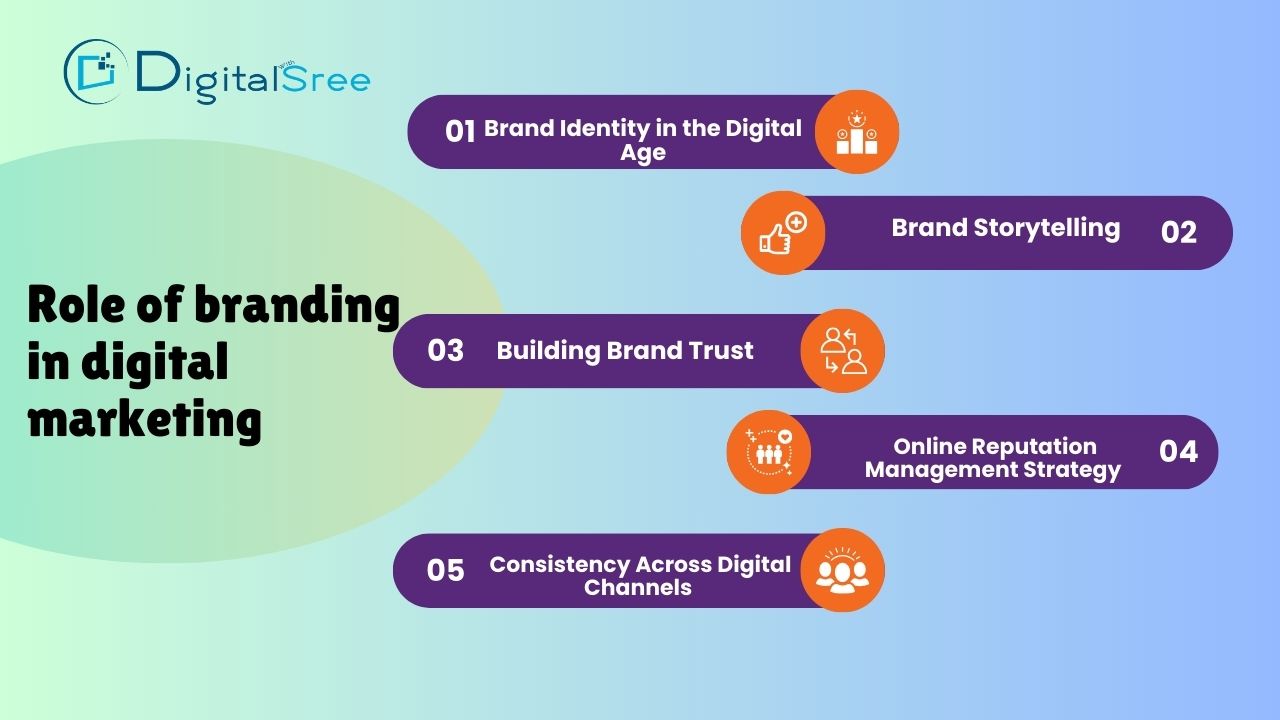
The Intersection of Digital Marketing and Branding
In today’s digital age, the relationship between marketing and branding has become more intertwined than ever. Digital marketing serves as a powerful tool to not only promote products and services but also to shape and reinforce a brand’s identity in the online world.
Branding is about creating a distinct personality and image for a business, while digital marketing involves leveraging various online channels to reach and engage with target audiences. When these two elements are combined effectively, they can amplify each other’s impact and drive meaningful results.
One key aspect of digital marketing in relation to branding is consistency. From social media posts to email campaigns, every interaction with consumers should reflect the brand’s values, voice, and visual identity. This consistent messaging helps build trust and loyalty among customers.
Moreover, digital marketing allows brands to tell their story in creative ways through content marketing, video campaigns, influencer partnerships, and more. By crafting compelling narratives that resonate with their audience, brands can forge emotional connections that go beyond mere transactions.
Another crucial element is data-driven decision-making. Digital marketing provides access to valuable insights and analytics that can help brands understand consumer behaviour, measure campaign performance, and refine their strategies for better results. By leveraging this data effectively, brands can tailor their messaging to specific audiences and optimise their branding efforts.
In conclusion, the synergy between digital marketing and branding is essential for building a strong online presence and fostering brand loyalty in today’s competitive landscape. By aligning their marketing tactics with their brand identity, businesses can create a cohesive and impactful digital strategy that resonates with consumers on a deeper level.
Exploring the Role of Branding in Digital Marketing: Key Questions and Strategies
- What is the importance of branding in digital marketing?
- How can digital marketing help build brand awareness?
- What are some effective strategies for integrating branding into digital marketing campaigns?
- How can data analytics be used to measure the success of digital marketing efforts in relation to branding?
- What role does social media play in shaping a brand’s online presence and reputation?
What is the importance of branding in digital marketing?
The importance of branding in digital marketing cannot be overstated. Branding serves as the foundation upon which all digital marketing efforts are built. A strong and consistent brand identity helps businesses stand out in a crowded online landscape, build credibility and trust with consumers, and create a lasting impression that resonates with their target audience. By integrating branding into their digital marketing strategies, businesses can establish a unique voice, convey their values effectively, and differentiate themselves from competitors. Ultimately, branding in digital marketing is not just about promoting products or services; it’s about creating meaningful connections with customers that drive loyalty and long-term success.
How can digital marketing help build brand awareness?
Digital marketing plays a crucial role in building brand awareness by leveraging various online channels to reach and engage with target audiences. Through strategies such as social media marketing, search engine optimisation, content marketing, and online advertising, businesses can showcase their brand identity, values, and offerings to a wider audience. By creating compelling and consistent messaging across digital platforms, businesses can increase visibility, attract new customers, and foster relationships with existing ones. Digital marketing also allows for targeted campaigns that reach specific demographics, increasing the likelihood of connecting with individuals who are more likely to be interested in the brand. Ultimately, digital marketing acts as a powerful tool in creating brand recognition and establishing a strong presence in the digital landscape.
What are some effective strategies for integrating branding into digital marketing campaigns?
When considering effective strategies for integrating branding into digital marketing campaigns, consistency across all online channels is paramount. Ensuring that the brand’s values, messaging, and visual identity are cohesive and recognisable helps to establish a strong brand presence in the digital space. Leveraging storytelling through engaging content, personalised interactions with customers, and leveraging data analytics to tailor campaigns to target audiences are also key tactics. By creating a seamless experience that resonates with consumers and reinforces the brand’s identity at every touchpoint, businesses can effectively merge branding efforts with their digital marketing initiatives for greater impact and long-term success.
How can data analytics be used to measure the success of digital marketing efforts in relation to branding?
Data analytics plays a pivotal role in assessing the effectiveness of digital marketing strategies concerning branding. By tracking key performance indicators such as website traffic, conversion rates, social media engagement, and brand sentiment analysis, businesses can gain valuable insights into how their marketing efforts are influencing brand perception and customer behaviour. Analyzing data allows companies to quantify the impact of their branding initiatives, identify trends, and make informed decisions to refine their strategies for maximum impact. Ultimately, data analytics provides a quantitative framework for evaluating the success of digital marketing campaigns in enhancing brand awareness, loyalty, and equity.
What role does social media play in shaping a brand’s online presence and reputation?
Social media plays a pivotal role in shaping a brand’s online presence and reputation by providing a direct channel for engagement with audiences. Platforms like Facebook, Instagram, Twitter, and LinkedIn allow brands to showcase their personality, values, and offerings in a visually appealing and interactive manner. Through consistent and authentic communication on social media, brands can build relationships with customers, address their concerns promptly, and foster a sense of community. Moreover, social media enables brands to amplify their messaging through content sharing, influencer collaborations, and targeted advertising, thereby increasing visibility and brand awareness. Ultimately, by leveraging social media effectively, brands can enhance their online reputation, establish credibility, and differentiate themselves in the digital landscape.