
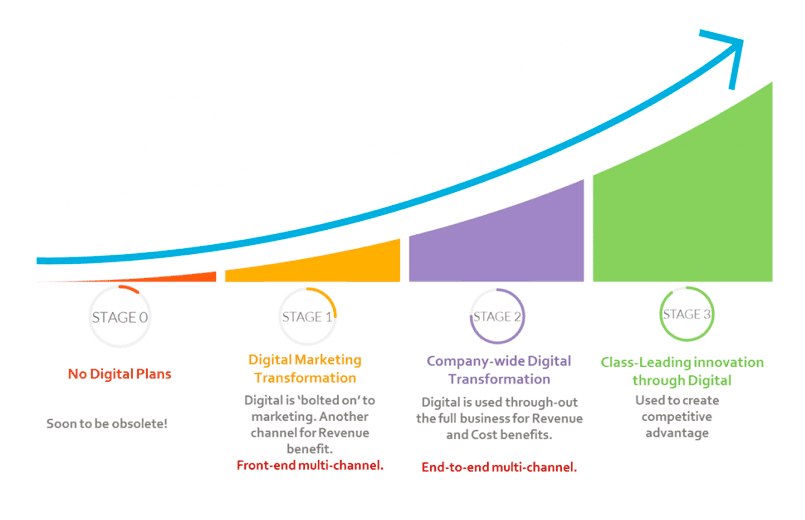
The Era of Digital Marketing Transformation
In today’s fast-paced digital landscape, businesses are constantly adapting to stay ahead of the curve. The concept of digital marketing transformation has become increasingly crucial for organisations looking to thrive in the online realm.
Digital marketing transformation involves more than just adopting new technologies; it requires a fundamental shift in mindset and strategy. It encompasses reimagining traditional marketing approaches and embracing innovative digital tools to engage with modern consumers.
One key aspect of digital marketing transformation is data-driven decision-making. By leveraging analytics and insights, businesses can better understand their target audience, track campaign performance, and refine their strategies for optimal results. This data-driven approach allows companies to personalise their marketing efforts and deliver tailored experiences that resonate with customers.
Another critical component of digital marketing transformation is the integration of omnichannel strategies. With consumers interacting across multiple platforms and devices, businesses must ensure a seamless experience across all touchpoints. This requires aligning messaging, branding, and user experience to create a cohesive journey for customers.
Furthermore, automation plays a significant role in driving efficiency and scalability in digital marketing. By automating repetitive tasks such as email campaigns, social media scheduling, and ad placements, businesses can free up resources to focus on strategic initiatives and creative endeavours.
Overall, digital marketing transformation is not merely a trend but a necessity for businesses seeking sustainable growth in the digital age. Embracing change, adopting new technologies, and prioritising customer-centricity are key pillars of successful transformation efforts.
As we navigate this era of rapid technological advancement and evolving consumer behaviours, organisations that embrace digital marketing transformation will be well-positioned to thrive amidst uncertainty and drive meaningful connections with their audiences.
Essential Tips for a Successful Digital Marketing Transformation
- 1. Conduct a thorough analysis of your current digital marketing strategies and identify areas for improvement.
- 2. Invest in up-to-date technology and tools to streamline processes and enhance campaign performance.
- 3. Stay informed about the latest trends and updates in the digital marketing landscape to stay ahead of the competition.
- 4. Personalise your marketing efforts by leveraging data analytics to understand customer behaviour and preferences.
- 5. Foster a culture of innovation within your team to encourage creative thinking and experimentation with new ideas.
- 6. Monitor key performance indicators (KPIs) regularly to track the success of your digital marketing initiatives and make necessary adjustments.
1. Conduct a thorough analysis of your current digital marketing strategies and identify areas for improvement.
To embark on a successful digital marketing transformation journey, it is essential to begin by conducting a comprehensive analysis of your existing digital marketing strategies. By scrutinising your current approaches, you can pinpoint strengths and weaknesses, identify opportunities for enhancement, and unearth areas that require refinement. This introspective evaluation serves as the foundation for strategic decision-making and paves the way for a targeted and effective transformation process that aligns with your business objectives and resonates with your target audience.
2. Invest in up-to-date technology and tools to streamline processes and enhance campaign performance.
To achieve a successful digital marketing transformation, it is essential to invest in the latest technology and tools that can streamline processes and boost campaign performance. By leveraging up-to-date software and platforms, businesses can automate tasks, gain valuable insights through data analytics, and deliver more targeted and personalised marketing campaigns. Embracing technology not only increases efficiency but also enables companies to stay competitive in a rapidly evolving digital landscape, ultimately driving better results and enhancing the overall customer experience.
3. Stay informed about the latest trends and updates in the digital marketing landscape to stay ahead of the competition.
To stay ahead of the competition in the realm of digital marketing transformation, it is crucial to remain informed about the latest trends and updates in the digital marketing landscape. By staying abreast of industry developments, businesses can adapt their strategies proactively, leverage emerging technologies, and capitalise on new opportunities to maintain a competitive edge. Continuous learning and monitoring of trends enable organisations to refine their approaches, engage with audiences effectively, and drive innovation in their digital marketing efforts.
4. Personalise your marketing efforts by leveraging data analytics to understand customer behaviour and preferences.
To enhance your digital marketing transformation, it is essential to personalise your marketing efforts by utilising data analytics to gain insights into customer behaviour and preferences. By analysing data effectively, businesses can tailor their strategies to meet the specific needs and interests of their target audience, ultimately enhancing engagement and driving conversions. This personalised approach not only fosters stronger connections with customers but also increases the effectiveness of marketing campaigns in reaching the right individuals with the right message at the right time.
5. Foster a culture of innovation within your team to encourage creative thinking and experimentation with new ideas.
To drive digital marketing transformation successfully, it is essential to implement Tip 5: Foster a culture of innovation within your team. By cultivating an environment that values creative thinking and encourages experimentation with new ideas, businesses can unlock untapped potential and propel their strategies towards innovative solutions. Embracing a culture of innovation empowers team members to challenge conventional norms, explore fresh approaches, and adapt swiftly to the ever-evolving digital landscape, ultimately driving growth and differentiation in the competitive market.
6. Monitor key performance indicators (KPIs) regularly to track the success of your digital marketing initiatives and make necessary adjustments.
Monitoring key performance indicators (KPIs) regularly is a crucial tip in digital marketing transformation. By tracking KPIs, businesses can effectively measure the success of their digital marketing initiatives and pinpoint areas for improvement. This data-driven approach enables organisations to make informed decisions, adapt strategies in real-time, and optimise campaign performance for better results. Regularly reviewing KPIs ensures that businesses stay agile and responsive in the ever-evolving digital landscape, ultimately driving continuous growth and success in their online marketing efforts.