
The Essential Guide to B2B Digital Marketing Strategy
In the fast-paced world of business-to-business (B2B) marketing, having a solid digital marketing strategy is crucial for success. Unlike business-to-consumer (B2C) marketing, B2B marketing requires a more targeted approach that focuses on building relationships and providing value to other businesses. Here are some key components of an effective B2B digital marketing strategy:
Define Your Target Audience
Understanding your target audience is the foundation of any successful marketing strategy. In B2B marketing, it’s essential to identify the key decision-makers within businesses that are most likely to benefit from your products or services. Conduct market research to create detailed buyer personas that outline the needs, challenges, and preferences of your target audience.
Create Compelling Content
Content is king in the digital marketing world, and this holds true for B2B marketing as well. Develop high-quality content that educates, informs, and engages your target audience. This could include blog posts, whitepapers, case studies, infographics, videos, and more. Tailor your content to address the specific pain points of your target audience and showcase how your offerings can solve their problems.
Utilise Multiple Channels
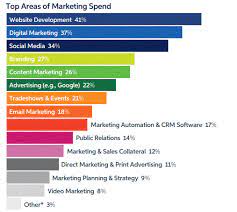
A successful B2B digital marketing strategy leverages multiple channels to reach and engage with prospects. This could include email marketing campaigns, social media outreach, search engine optimisation (SEO), pay-per-click (PPC) advertising, webinars, and networking events. By diversifying your channels, you can maximise your reach and connect with potential customers at different touchpoints in their buyer’s journey.
Implement Marketing Automation
Marketing automation tools can streamline your B2B marketing efforts by automating repetitive tasks such as lead nurturing, email campaigns, and social media posting. By implementing marketing automation software, you can save time and resources while delivering personalised experiences to your target audience based on their interactions with your brand.
Measure and Analyse Results
Tracking the performance of your B2B digital marketing campaigns is essential for optimisation and continuous improvement. Use analytics tools to monitor key performance indicators (KPIs) such as website traffic, conversion rates, lead generation metrics, and return on investment (ROI). By analysing these data points regularly, you can identify what’s working well and make informed decisions to enhance your strategy.
By incorporating these key components into your B2B digital marketing strategy, you can effectively reach and engage with other businesses in a meaningful way. Remember that successful B2B marketing is built on trust, credibility, and value creation – so focus on building long-term relationships with your target audience for sustainable growth.
Exploring B2B Digital Marketing Strategy: Key Questions and Insights
- What is B2B digital marketing?
- Why is B2B digital marketing important?
- How does B2B digital marketing differ from B2C?
- What are the key components of a successful B2B digital marketing strategy?
- How can businesses identify their target audience for B2B digital marketing?
- What role does content play in a B2B digital marketing strategy?
- How can businesses measure the effectiveness of their B2B digital marketing campaigns?
What is B2B digital marketing?
B2B digital marketing refers to the use of digital channels and strategies to promote products or services from one business to another. Unlike business-to-consumer (B2C) marketing, which targets individual consumers, B2B digital marketing focuses on building relationships and providing value to other businesses. This type of marketing involves tactics such as content marketing, email campaigns, social media outreach, search engine optimisation (SEO), and more to reach and engage with key decision-makers within businesses. By leveraging digital tools and technologies, B2B digital marketing aims to drive lead generation, nurture relationships, and ultimately drive business growth through targeted and strategic approaches.
Why is B2B digital marketing important?
In the realm of business-to-business (B2B) marketing, the significance of B2B digital marketing cannot be overstated. B2B digital marketing plays a crucial role in connecting businesses with their target audience, driving brand awareness, generating leads, and ultimately fostering long-term relationships with other businesses. In today’s digital age, where online presence and visibility are paramount, a well-crafted B2B digital marketing strategy is essential for staying competitive and reaching potential clients effectively. By leveraging digital channels and tools, B2B companies can showcase their expertise, build credibility, and demonstrate the value of their products or services to a global audience.
How does B2B digital marketing differ from B2C?
When comparing B2B digital marketing to B2C strategies, it’s essential to recognise the distinct nuances that shape each approach. In B2B marketing, the focus is on building relationships and providing tailored solutions to businesses rather than individual consumers. The sales cycles are often longer, decision-making involves multiple stakeholders, and the content is more educational and industry-specific. B2B digital marketing emphasises lead generation, thought leadership, and demonstrating expertise in a particular industry to establish credibility and trust among business clients. Understanding these differences is crucial for crafting an effective B2B digital marketing strategy that resonates with the unique needs and preferences of business audiences.
What are the key components of a successful B2B digital marketing strategy?
When it comes to crafting a successful B2B digital marketing strategy, several key components play a vital role in driving results. Understanding and defining your target audience is paramount, as it forms the foundation for tailored messaging and engagement. Creating compelling and valuable content that resonates with your audience’s needs and challenges is essential for building credibility and trust. Leveraging multiple channels such as email marketing, social media, SEO, and PPC allows for broader reach and engagement. Implementing marketing automation to streamline processes and personalise interactions can enhance efficiency and effectiveness. Lastly, continuous measurement and analysis of key performance indicators enable data-driven decision-making to optimise campaigns for long-term success in the B2B landscape.
How can businesses identify their target audience for B2B digital marketing?
To identify their target audience for B2B digital marketing, businesses should start by conducting thorough market research to understand the specific needs, challenges, and preferences of potential customers. Developing detailed buyer personas based on demographic information, job roles, pain points, and buying behaviours can help businesses create a clear picture of who their ideal customers are. Additionally, analysing existing customer data, engaging in social listening, and seeking feedback from sales teams can provide valuable insights into the characteristics and behaviours of the target audience. By combining quantitative data with qualitative research methods, businesses can accurately identify and define their target audience for B2B digital marketing strategies that resonate and drive meaningful engagement.
What role does content play in a B2B digital marketing strategy?
In a B2B digital marketing strategy, content plays a pivotal role in establishing credibility, building trust, and nurturing relationships with potential business clients. High-quality and relevant content tailored to the needs and challenges of the target audience can position a company as an industry leader and thought influencer. From informative blog posts to in-depth whitepapers and engaging case studies, content serves as a valuable tool to educate prospects, showcase expertise, and demonstrate the value of products or services offered. By creating compelling content that resonates with B2B decision-makers, businesses can drive engagement, generate leads, and ultimately convert prospects into loyal customers.
How can businesses measure the effectiveness of their B2B digital marketing campaigns?
Measuring the effectiveness of B2B digital marketing campaigns is crucial for businesses to evaluate their performance and make informed decisions for future strategies. Businesses can track various key performance indicators (KPIs) such as website traffic, conversion rates, lead generation metrics, email open and click-through rates, social media engagement, and return on investment (ROI). By analysing these metrics using analytics tools, businesses can gain insights into the impact of their campaigns, identify areas for improvement, and refine their strategies to maximise results. Regular monitoring and analysis of these KPIs allow businesses to measure the success of their B2B digital marketing efforts accurately.